
Fireflies, also known as lightning bugs, are fascinating insects that light up the night sky and captivate our imagination with their enchanting glow. Fireflies are not flies but insects belonging to the beetle family. These tiny, bioluminescent insects use a chemical reaction in their bodies to emit a glowing, blinking light from their lower abdomens, creating a mesmerising display that can be seen during warm summer evenings and nights in meadows and forests. This light production is highly efficient, with almost 100% of the energy being converted to light without generating heat. Each species has its unique flashing pattern and colours, used to attract mates or warn predators. This communication via light signals is a complex and sophisticated interaction among these tiny beings that sets them apart from other insects and adds to their mystique.
However, fireflies have inspired artists, poets and scientists alike with their magical glow and mysterious behaviour in nature. The magical twinkling lights of fireflies have also inspired myths and folklore for centuries, symbolising hope, magic, and wonder in the darkness of night. In some places, thousands of fireflies will coordinate their flashes, creating a mesmerising spectacle known as synchronous firefly displays. The synchronisation of these lights during mating season creates a magical scene in the darkness. But its synchronised behaviour is still not fully understood by scientists and remains a captivating mystery of nature. Viewing this synchronised light show can be a magical experience that many people seek out in destinations such as the Great Smoky Mountains National Park in the United States or mangrove forests in Southeast Asia.
Furthermore, fireflies have a complex life cycle, which includes several stages. Each stage serves a vital purpose in the survival and reproduction of these enchanting insects. They also have a relatively short lifespan, around 2 to 4 weeks as adults, with some species only living for about 2 months. Despite their small size, delicate appearance and short lifespan, fireflies play significant roles in their ecosystems by controlling insect populations, maintaining ecological balance through pollination, and serving as a food source for other organisms. These enchanting insects are also sensitive to environmental changes, making them important indicators of ecosystem health. But their populations are under threat due to habitat loss, pesticide use, and light pollution, making it crucial to protect these enchanting insects for future generations to enjoy.
Firefly or lightning bug
Lampyridae
5-25 mm
20mg-20gm
1-2 years in total, 2-4 week as adult
Africa, Asia, Australia, Europe, North America, South America
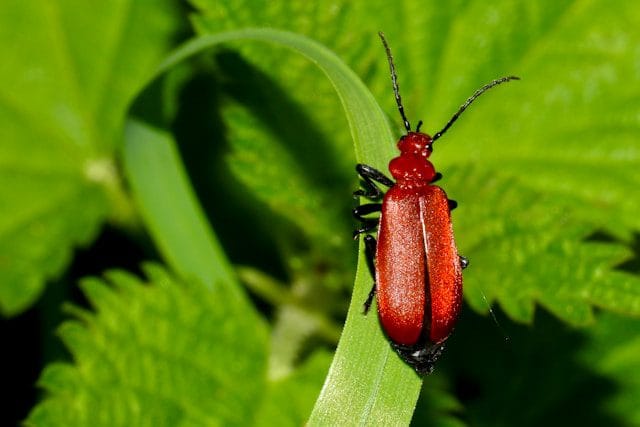
The scientific name of the enchanting firefly is "Lampyridae", a family of insects known for their bioluminescent abilities. These fascinating creatures belong to the family Lampyridae, with over 2,000 described species identified worldwide, each with its unique lightning patterns and colours. They are well known for their ability to create a mesmerising display of light through a chemical reaction in their bodies, making them one of nature's most captivating spectacles in the darkness of night. The glow emitted by fireflies serves various purposes, including attracting mates and deterring predators, showcasing the complexity and beauty of evolution.
Delving deeper into the scientific world of fireflies, researchers have uncovered intricate details about their luminescent capabilities. It is astonishing to learn that the light produced by fireflies is highly efficient, with minimal energy waste compared to artificial sources. Interestingly, different species of fireflies use variations in their flashing patterns to differentiate themselves from others and attract potential mates. The rhythmic flashes produced by male fireflies are often synchronised with specific frequencies to maximise their chances of finding a suitable partner amidst the darkness of the night.
The study of firefly bioluminescence continues to fascinate scientists and inspire technological advancements in lighting technology, shedding light on the remarkable natural adaptations. In addition to its captivating glow, the firefly's scientific name hints at its fiery symbolism throughout various cultures. In ancient folklore and modern literature alike, these tiny creatures have been associated with love, hope and magic.
Fireflies, known as lightning bugs, are truly fascinating creatures with incredible facts and features.
The appearance of fireflies is truly mesmerising, with their striking bioluminescent glow that illuminates the darkness of summer evenings and nights. In some places, thousands of fireflies will coordinate their flashes, creating a mesmerising spectacle known as synchronous firefly displays. The synchronisation of these lights during mating season creates a magical scene in the darkness. Fireflies showcase a diverse range of colours in their glowing patterns. While many people associate fireflies with a soft yellow-green or red hue, some species emit shades of blue or even red! Aside from their luminous display, fireflies also boast distinctive physical features such as their delicate antennae, specialised mouthparts, large compound eyes, six legs, two membranous, soft wings located under the elytra, and specialised abdomens. They have soft bodies that are typically small, elongated, and flattened, with a distinct black or dark brown colouration often marked with orange or yellow. Additionally, firefly larvae have a unique appearance with segmented bodies, simple eyes (stemmata) and specialised mandibles. They also have a stretchy, flexible exoskeleton that allows them to grow quickly before moulting.
However, firefly sizes span from very small to about the size of a human thumb-tip, typically measuring between 5 and 25 millimetres (roughly 0.2 to 1 inch) in length. While some species are smaller, others can reach up to 30 mm (about 1.2 inches), with variations depending on species, age, and whether they are in their larval or adult stage. Many common firefly species are typically 10 to 14 mm long, often appearing about half an inch in size. In comparison, their larvae are usually about the same length as adults, growing to about 10.3 mm by the end of their larval stage.
In terms of anatomy, fireflies have a segmented body with three distinct parts:
Their head contains antennae, compound eyes, and mandibles. Fireflies' antennae play a crucial role in detecting pheromones released (chemical cues) by potential mates, ensuring successful reproduction within their nocturnal ecosystem. Their large, complex compound eyes contain thousands of tiny lenses, allowing them to detect even the slightest movement or change in light intensity, giving them exceptional vision capability under low-light conditions. Fireflies also possess specialised mouthparts used for hunting prey, feeding on insects or sucking nectar and pollen, depending on the species, while their larvae's specialised mandibles are used for injecting paralysing toxins to hunt prey.
The thorax of a firefly is the central body segment, which consists of three sub-segments bearing six legs, a pair of soft, membranous hind wings, and a pair of hard, leathery forewings called elytra. Their segmented bodies allow for flexible movement, enabling them to navigate through the air with stealth and precision as they light up the night sky with their enchanting glow. Their retractable six-jointed legs are equipped with sharp claws, enabling them to grip surfaces easily and navigate through foliage effortlessly. Furthermore, their membranous, soft wings allow them to fly with grace and agility through the air, while their thickened outer covers the hard, leathery front wings (elytra), protecting their delicate, thin and translucent flight wings underneath when at rest, though these are often less rigid than in other beetles. But some adult females are flightless or wingless, called "glow-worm".
Their elongated abdomen contains vital organs such as reproductive structures, digestive systems, and light-producing organs, the "glowy butt", called lanterns on segments 6 and 7, ensuring the survival and propagation of these enchanting species. These bioluminescent insects have specialised light-emitting cells located on the ventral side or underside of their lower abdomen, known as photocytes that combine oxygen with luciferase enzymes, ATP, and a molecule called luciferin to produce light without generating heat through a chemical reaction. Additionally, fireflies have specialised air tubes called tracheae that provide oxygen to these photocytes for sustained bioluminescence. This unique ability to produce cold light without burning any energy makes fireflies one of nature's most fascinating insects. Interestingly, each species of firefly has its unique flash pattern and colours. While some species flash steadily, others pulsate or even synchronise their flashes in elaborate displays, and some firefly species mimic other insects. This diversity in flash patterns and colours serves different purposes, such as attracting potential mates or prey and using warning signals to deter predators. It's truly remarkable how these tiny bugs use colour and light to communicate complex messages in the dark, creating a mesmerising spectacle for those lucky enough to witness it firsthand.
Compared to many other beetles, adult fireflies have a wide, soft, and flexible, often pinkish-yellow exoskeleton called a pronotum, a plate or shield-like structure that is made of chitin, which covers the thorax, protects their delicate internal organs, and partially covers the head. Additionally, these structures not only protect fireflies mechanically; they also release a toxic, foul-tasting, defensive chemical compound called lucibufagins that make them distasteful to predators.
Fireflies are most commonly found in temperate and tropical regions around the world, preferring warm, moist environments such as wetlands, riparian areas, forest edges, mangroves, and wooded areas. These enchanting insects are especially abundant in areas with swamps, ponds, marshes, damp, lakeshores and river sides, which provide moisture and food for their larvae. Additionally, forests and wooded areas with abundant leaf litter, fallen logs and high humidity provide shelter for larvae and adults. Interestingly, fireflies are highly adaptable creatures that can be found in a variety of habitats, ranging from meadows and grasslands to urban and rural areas, which offer humid and undisturbed protective environments to pesticide-free backyards, gardens, parks with water spaces or moist and shady areas, where they can thrive. These unique insects are typically nocturnal, preferring the cover of darkness to conduct their mesmerising light displays.
Fireflies have a global distribution, with over 2,200 species inhabiting every continent except Antarctica. While they are widely spread out geographically, fireflies tend to congregate in areas with warm, humid conditions and access to permanent water sources for food, shelter, and breeding purposes. With significant populations found in Asia, the Americas, and Europe, which are associated with specific vegetation. Furthermore, the distribution of fireflies varies depending on the species. For example, some species prefer high-altitude mountains, while others thrive in lowland meadows. Some species prefer wooded areas with decaying vegetation where they can find ample host prey such as snails, slugs, worms or other small insects. Additionally, some species of fireflies prefer specific microhabitats within their larger habitat range, showcasing intricate adaptations that contribute to their survival and reproduction strategies.
However, firefly populations can fluctuate depending on factors like habitat loss, temperature changes and human activities, like pollution or light pollution, which interrupt their mating signals. that may disrupt their habitat. Interestingly, certain firefly species are endemic to specific regions and cannot be found anywhere else in the world. Despite these variations, one thing remains constant - the mesmerising light displays created by fireflies continue to captivate audiences around the globe.
Fireflies are fascinating creatures that belong to the Lampyridae family, with over 2,000 species worldwide. They can be found all over the world in various habitats, with different species exhibiting unique characteristics. Some common types include the Photinus genus, the Photuris genus, the Luciola genus, the Pyractomena genus, the Lucidota genus and the Pyropyga genus.
One of the most common types of fireflies is the Photinus pyralis, also known as the Big Dipper Firefly, found in North America. These fireflies are identified by their yellow-green bioluminescence, which they use to attract mates during the summer months and can often be seen flashing in synchronised patterns during mating season. They can be found in various habitats, including forests, meadows, and near bodies of water such as streams or ponds.
Another notable type is the Pyractomena borealis, also called Big Dipper Fireflies for their distinctive J-shaped flight pattern resembling the constellation, commonly found in Eastern North America. These fireflies have a distinct bluish-green glow and use their light production primarily for mating purposes. These fireflies often inhabit near water sources such as ponds, streams or other wetland areas, where they use their synchronised flashes to communicate with potential mates in a breathtaking display of natural beauty. Their intricate, luminous dances against a backdrop of darkness make them a captivating sight in summer evenings.
One of the most fascinating types of fireflies is the Photuris firefly, commonly known as the femme fatale firefly. These deceptive creatures mimic the light signals of other firefly species to attract and prey on unsuspecting males. With their unique behaviour and hunting strategy, they add an element of intrigue to the shimmering world of fireflies.
Another intriguing subspecies is the Luciola lusitanica, or the Portuguese firefly. Unlike many other fireflies, the females of this species can also emit light, not just males. They are found in Southern Europe and North Africa, usually inhabiting humid habitats near water bodies such as ponds or rivers.
Another interesting subspecies is the Photuris lucicrescens, known for its synchronised flashing patterns in certain regions, which has a unique predatory behaviour of mimicking the mating flashes of other fireflies to attract and devour them. This cunning strategy sets them apart from other fireflies and showcases their adaptability in different environments.
Characterised by their black or brown bodies and soft wings, fireflies range in size from a few millimetres to several centimetres long. Fireflies are not flies but beetles with their soft-bodied appearance and elytra wings that cover their abdomen when at rest, enabling them to fly gracefully in search of mates during the breeding season. These bioluminescent insects use their glowing abdomen to attract potential mates through a complex pattern of flashes and lights. Their light production is a result of a chemical reaction within specialised cells located at the end of their abdomens. Each firefly species has distinct communication patterns through the timing and intensity of its light flashes. Their glow not only attracts potential mates but also acts as a defence mechanism against predators due to its toxicity in some species. These insects can be found in various habitats, including forests, meadows, gardens and wetlands where they can find mates and lay eggs. Fireflies play a crucial role in their ecosystems as both predators and prey. While they feed on small insects like snails, slugs and earthworms during their larval stage, they become targets for predators like spiders and birds as adults. The presence of fireflies indicates a healthy environment free from pesticides or pollution, which could disrupt their delicate ecosystem.
In addition to these distinct characteristics, various subspecies can be found worldwide, each adapting to its specific habitat and environment, ranging from tropical rainforests to temperate woodlands. These bioluminescent insects typically reside in humid environments such as forests, grasslands, fields, ponds and marshes. They prefer lush vegetation where they can find ample food sources, es including nectar and other insects, and shelter during the day, while offering suitable conditions for courtship rituals with breeding at night and for their larvae to develop into adulthood. It is essential to protect these captivating creatures by preserving natural habitats where they can thrive peacefully amidst the darkness with their mesmerising glow.
The diet of adult fireflies primarily consists of nectar, pollen or dew from flowers as an energy source to support their mating and reproductive activities, while also contributing to pollination, which is generally beneficial for plants and trees in various ecosystems. Additionally, some firefly species (specifically Photuris females) are also known to be cannibalistic, feeding on other firefly species when opportunities arise or food sources are scarce. They have evolved mimicry techniques to lure male fireflies towards them before striking, and have been observed consuming males either during or after mating. This behaviour is believed to provide essential nutrients for the female's reproductive process, but others do not eat at all. Furthermore, many adult fireflies only live for a few weeks to mate and lay eggs, and therefore do not consume any food during this stage. The intricate relationship between fireflies and their diet showcases the complex interplay between predator-prey dynamics in the natural world.
In contrast, firefly larvae are mainly carnivores and are known to be predatory. They feed on small, soft-bodied insects such as aphids, mosquitoes, ants, small beetles, and moths. Firefly larvae also feed on snails, slugs, mites, and earthworms in soil or leaf litter. By targeting them, firefly larvae help regulate pest populations naturally without the use of harmful chemicals or pesticides, playing a crucial role in their ecosystem that can be harmful to plants. This unique predatory behaviour highlights the importance of fireflies in maintaining ecological balance while showcasing their fascinating feeding strategies.
Interestingly, firefly larvae have developed fascinating adaptations in their predatory behaviour to ensure successful hunting. They can detect the pheromones released by their prey, allowing them to locate potential meals more efficiently in the dark. These nocturnal creatures are efficient predators, using their bioluminescence to attract prey before capturing them with their specialised mandibles. Once capture their meal by injecting paralysing venom (digestive enzymes which break down the tissues before slurping up the liquefied insides) into the body of their prey. This method allows them to efficiently extract nutrients from their prey and fuel their bioluminescent glow. This complex interplay between diet and hunting strategies showcases the ingenuity of these enchanting insects in nature's intricate web of life.
Fireflies are fascinating insects that exhibit unique behaviour and lifestyle patterns. These insects can produce light due to a chemical reaction inside their bodies involving luciferin and an enzyme called luciferase with oxygen. These bioluminescent insects use their light to warn predators and communicate with potential mates, creating mesmerising displays in the night sky. The flashing patterns produced by fireflies vary between species, with some using a steady glow while others create elaborate flashing sequences, where hundreds or thousands of individuals coordinate their synchronised flashes. This phenomenon is thought to be influenced by environmental factors such as temperature and humidity. Fireflies also have interesting feeding habits. As voracious predators, firefly larvae often prey on soft insects, snails, slugs and worms by injecting them with paralysing, liquefying enzymes, while adult fireflies feed on nectar and pollen, though most adult fireflies do not eat, focusing entirely on mating. However, some firefly species are also known to be cannibalistic, feeding on other firefly species when opportunities arise or food sources are scarce. Additionally, they can mimic the flash patterns of other species to attract prey or avoid predators, and when threatened by predators, fireflies can emit a bitter-tasting defensive fluid from their thorax to deter attacks.
In terms of lifestyle, fireflies are primarily nocturnal insects, preferring to come alive at dusk when it's cooler and quieter. When night falls, fireflies engage in intricate courtship rituals using their steady or blinking lights to signal potential partners. Interestingly, male fireflies tend to fly around in search of females, emitting repetitive flashes to catch their attention. Once mating occurs, female fireflies lay their eggs in damp soil or on the ground and in vegetation before passing away soon after. They often prefer areas near water sources, which provide moisture and food for their larvae. However, the eggs hatch into larvae after a few weeks, and go through several stages before reaching adulthood:
Interestingly, fireflies spend the majority of their lives in the larval stage, which can last up to 2 years before transforming into winged adults, who live for 2 to 4 weeks, with some species only lasting for about 2 months. Despite living relatively short lives, fireflies play an essential role in their ecosystems by serving as both predator and prey. During their larval stage, they feed on soft insects (like mosquitoes and aphids), snails, slugs, and worms to fuel their growth and the development of bioluminescence, which serves as a warning signal to predators. As they mature, these larvae undergo several moults before finally pupating into adults. After emerging as winged adult fireflies, which are ready to mate, often feed on nectar and pollen. Fireflies can be found in various habitats, including forests, fields, meadows and marshes, where they are preyed upon by birds, spiders, and even some types of fungi. Facing threats from various sources, such as habitat loss, light pollution, and pesticides, fireflies continue to thrive due to their unique adaptations and lighting abilities, while also playing a crucial role in pollination and pest control. Their presence not only adds a magical charm to summer evenings but also highlights the interconnectedness of all living beings in nature's symphony. before
Fireflies, also known as lightning bugs, have a fascinating reproduction process that sets them apart from other insects. They have a complex, multi-year life cycle, with the vast majority of their lives spent in the larval stage. These bioluminescent insects use their flashing cold light patterns to attract mates during the breeding season. The male firefly emits a specific pattern of light signals to communicate with the female, who usually rests on vegetation and responds with her unique pattern. Interestingly, some firefly species synchronise their flashes to find mates more efficiently, creating mesmerising light shows in the night sky. This mesmerising courtship ritual showcases the intricate and beautiful ways in which fireflies ensure successful mating.
Once fertilised, female fireflies lay roughly 100 to 500 eggs in moist soil, under mulch or on vegetation near water sources. Their eggs hatch into larvae after 3 to 4 weeks. Firefly larvae are voracious predators and go through 4 stages before reaching adulthood:
This transformation process, called metamorphosis, is crucial for their survival and successful reproduction. During this larval (often called "glowworms") stage, they spend 1 to 2 years living underground or in rotting wood. They are highly vulnerable due to habitat loss (loss of damp, messy, and leaf-littered soil) and pesticides. Firefly larvae are voracious predators who feed on other soft insects, aphids, slugs, snails, and worms by injecting them with paralysing, liquefying enzymes to fuel their growth, development and exhibiting bioluminescence, which serves as a warning signal to predators of their toxicity. As they grow, these larvae form a pupa in a small chamber in the soil or on trees for about 1 to 3 weeks, undergo several moults before turning into adults. Interestingly, most adult fireflies do not eat, focusing entirely on mating.
Fireflies typically live for about 1 to 2 years in total, but they spend most of that time as larvae. As adults, fireflies last only about 2 to 4 weeks or a few months to mate and lay eggs, while some species have even shorter lifespans, living up to 2 months. Despite their short lives, fireflies not only play essential roles in ecosystems both as predators and prey, but also play a crucial role in pollination and pest control. The unique flashing patterns of fireflies serve not only for mating purposes but also act as a warning signal to potential predators due to the toxic compounds they contain. Despite their brief time on Earth, these enchanting insects leave a lasting impression with their magical glow on summer evenings.
Fireflies, with their enchanting glowing light displays, may seem otherworldly and almost invincible. However, despite their mesmerising beauty, fireflies face numerous predators and threats in the wild. Many creatures, including spiders, birds, amphibians (like frogs and toads), certain species of lizards (likegeckos), other insects (like assassin bugs and robber flies), wasps, and even some species of fireflies, are known to prey on fireflies. These predators are attracted by fireflies as they search for mates or prey, and communicate by their emitted light with each other in the darkness of night. Another threat comes from a larvae-eating snake, a rare species of snake, "Rhabdophis nuchalis", which has been observed consumingfirefly larvae. Interestingly, some species of fireflies are the primary predators of other fireflies, specifically the fireflies of the "Photuris" genus, whose females are also known to be cannibalistic. They mimic the mating flashes of other firefly species to lure males, then catch and consume them to gain toxins for defence. Additionally, other threats come from firefly larvae themselves, as they often prey on eggs and even other firefly larvae. Despite their ephemeral glow, fireflies play a vital role in ecosystems by serving as both voracious predators and prey. They feed on other small insects like aphids and mosquitoes while also serving as a food source for birds and spiders.
However, fireflies or glowworms are not commonly eaten by most predators due to their bitter and toxic chemicals. They contain steroidal pyrones called lucibufagins, which make them taste awful and act as a toxin, causing birds and lizards to avoid them. The glow of the firefly is an "aposematic" warning signal, meant to tell predators, "I taste bad".
In addition to their natural predators, fireflies also have to contend with human activities, such as habitat loss, light pollution, and pesticides that threaten their populations. Habitat loss due to urbanisation and agriculture has significantly reduced suitable environments for firefly reproduction and survival, while light pollution from artificial sources can disrupt their mating rituals, make it difficult for them to find each other in the dark and confuse them during flight. On the other hand, pesticide use in agricultural areas can also harm firefly populations by contaminating their food sources or directly harming them. Furthermore, climate change is another emerging threat to fireflies as alterations in temperature and weather patterns can affect their life cycles, food availability, and habitats. These environmental pressures have contributed to the decline in firefly populations worldwide, highlighting the urgent need for conservation efforts to protect these iconic insects and preserve their magical light show for future generations.
Fireflies are fascinating bioluminescent beetles, rather than flies, that have captured the curiosity of nature enthusiasts for centuries with their mesmerising cold light displays. However, these enchanting creatures are facing a decline in population numbers due to various factors such as habitat loss, light pollution, pesticide use and climate change. While there are over 2,200 species, around 14% of assessed species are threatened with extinction. Some reports say there are 3,000 sightings in India in 2023. Up to one-third species of North America may be at risk of extinction. Furthermore, due to their small size and short lifespans of around 2 to 4 weeks for adults, tracking for their exact population numbers is difficult, and many species are considered "data deficient". Researchers are working on initiatives to protect firefly habitats and raise awareness about the importance of these bioluminescent insects in the ecosystem.
One interesting aspect of firefly populations is their reliance on specific habitats (like wetlands and woodlands) for mating and reproduction. These unique ecosystems are increasingly threatened by human development, leading to a decline in suitable breeding grounds for fireflies. Additionally, light pollution from urban areas disrupts their mating signals, impacting their ability to find potential partners during the breeding season, while the chemical use negatively affects their populations. Fireflies are sensitive to changes in their habitats, so a decline in their numbers can be a warning sign of broader ecological issues. One lesser-known threat to fireflies is climate-related droughts. Rising global temperatures and changes in precipitation patterns can disrupt their mating behaviours and life cycles, ultimately leading to a decrease in their numbers. The decrease in firefly populations is concerning not only because of their magical presence but also due to their crucial role in pollination and pest control.
By monitoring firefly populations, researchers can gain valuable insights into the state of local ecosystems and potential threats they may face. Conservation efforts are crucial to preserving firefly populations for future generations to enjoy. Educating the public about the importance of protecting these magical insects can help raise awareness and rally support for initiatives aimed at preserving their habitats.
Fireflies are not just beautiful insects that light up the night sky with their mesmerising glow.
Appreciating the importance of these small but significant insects can inspire us to take better care of our planet and preserve their habitats for future generations.
Zoos play a crucial role in the conservation of fireflies, serving as vital habitats for these magical insects. The carefully curated environments within zoos mimic natural settings, providing fireflies with a haven to thrive and reproduce. By creating proper conditions such as diverse vegetation and suitable temperatures, zoos contribute significantly to the preservation of endangered firefly species.
Furthermore, zoos also serve as educational hubs where visitors can learn about the importance of fireflies in ecosystems and their threatened existence due to habitat loss, light pollution, and climate change. Through interactive exhibits and guided tours, zoos raise awareness about the struggles faced by fireflies in the wild and encourage visitors to take action to protect these enchanting insects. Ultimately, zoos serve as guardians of these mesmerising bioluminescent insects while inspiring a new generation to appreciate and protect them in the wild.
The classification of fireflies is a fascinating subject that sheds light on their evolutionary history. These bioluminescent beetles belong to the Lampyridae family, which is part of the order Coleoptera. Fireflies are further divided into various genera and subfamilies, comprising over 2,200 species worldwide based on their distinct characteristics, such as size, colouration, flash patterns, behaviour, and habitat preferences. They are not true flies, but rather winged beetles, with larvae or flightless female fireflies often called "glowworm". This intricate classification system helps researchers better understand the diversity and distribution of these enchanting insects across different habitats. Each species of firefly has evolved unique adaptations to survive and thrive in its specific environment, showcasing the diverse evolution within this group of insects.
The evolution of fireflies has led to the development of specialised organs and enzymes, such as luciferase, found in fireflies' abdomens, whichproduces light through a chemical reaction between luciferin and oxygen without generating heat. This cold bioluminescence serves various purposes, such as attracting mates or prey, deterring predators, and communicating with other members of the species over millions of years. Studies suggest that this complex trait has evolved independently multiple times within the Lampyridae family, leading to diverse light signalling behaviours among different species. The evolution of firefly flashing patterns is believed to be influenced by factors such as light pollution and competition for mates, driving the development of elaborate signals to enhance reproductive success. Additionally, some firefly species have developed defensive mechanisms such as producing toxic chemicals or mimicking other insects' warning signals to deter predators. Understanding the evolutionary journey of fireflies provides valuable insights into how these mesmerising creatures have adapted and diversified in response to changing environmental pressures.
Fireflies have long captivated humans with their mesmerising light displays, sparking a sense of wonder and enchantment in people of all ages. The relationship between fireflies and humans goes beyond mere fascination, as these glowing insects have inspired art, literature, and even scientific research, leading to discoveries in fields such as biology and technology. For centuries, humans have admired fireflies for their beauty and symbolic significance. In many cultures, fireflies symbolise love, hope, transformation, guidance, and the beauty of nature's mysteries.
Their unique communication through bioluminescence also adds to the intrigue of their relationship with humans. Despite their ephemeral glow, fireflies and their larvae play a vital role in their ecosystems by serving as both pollinators and predators. As pollinators, fireflies contribute to biodiversity and the overall health of ecosystems, while as predators, their larvae help regulate pest populations naturally in agricultural lands without the use of harmful chemicals or pesticides, playing a crucial role in their ecosystem that can be harmful to plants and humans.
Humans have also played a significant role in shaping the relationship with fireflies, sometimes unintentionally disrupting their habitats through urban development, light pollution and pesticides. Despite these challenges, efforts to conserve these magical creatures are crucial in ensuring future generations can continue marvelling at their luminous displays in the darkness of night.
The conservation status of fireflies is a growing concern among scientists and environmentalists around the world. These enchanting insects are facing numerous threats globally, including habitat loss, light pollution and pesticide use, experiencing worldwide declines. One lesser-known challenge faced by fireflies is climate change. As temperatures rise and habitats become disrupted, firefly populations are struggling to adapt to these changes. The decline in firefly populations is particularly concerning, as these bioluminescent beetles play a crucial role in ecosystem health and biodiversity.
While many species are data-deficient, at least 14% are classified as "threatened. Species with flightless females are especially at risk because they cannot easily migrate from destroyed habitats. In North America, 18+ species are considered as highly "vulnerable", and in Europe, female glowworms declined by an average of 3.5% per year over 18 years. However, the IUCN SSC Firefly Specialist Group is actively assessing over 2,200 species to guide conservation.
Efforts to conserve fireflies must focus on preserving their natural habitats and reducing human impact on their environments. Conservation initiatives should also include raising awareness about the importance of fireflies in maintaining ecological balance. By taking concrete steps to protect these mesmerising insects, we can ensure that future generations will continue to marvel at their magical displays of light in the darkness of night.
Fireflies and glowworms are closely related; both are bioluminescent beetles in the family Lampyridae. But they are not technically the same.