
Frogs are a fascinating and diverse group of amphibians, with over 6,000 known species found all around the world. These creatures are known for their remarkable ability to leap great distances, as well as for their distinct croaking calls that echo through wetlands and forests. These distinctive croaking calls made by male frogs during mating season, which are crucial for mate attraction, serve as beautiful background noise during warm summer nights and as a means of communication within their communities. Additionally, the unique calls are also vital for species recognition. While their ability to jump great distances adds an element of agility and grace to their movements, their diverse colours and patterns make them a favourite subject for nature photographers and artists.
From tiny tree frogs or vibrant poison dart frogs to massive bullfrogs, each species has its unique characteristics and adaptations that make it a truly remarkable creature. They can live both in water and on land, which gives them a distinct advantage in a variety of environments, making them a vital part of many ecosystems. They inhabit a diverse range of environments, from tropical rainforests to deserts. One of the most intriguing aspects of frogs is their ability to breathe through their skin, allowing them to stay underwater for extended periods.
The life cycle of a frog is truly captivating. From their early stages as eggs to transforming into tadpoles, these aquatic larvae undergo a dramatic transformation as they develop into adult frogs. This process, known as metamorphosis, reflects their remarkable ability to adapt and survive in different stages of life. Frogs play a vital role in various ecosystems as both predators and prey, contributing to ecological balance and diversity. Additionally, many frog species are indicators of environmental health, making them crucial components of ecosystems around the world.
Furthermore, the skin of many frog species contains powerful natural compounds that have been studied for their potential medical uses. From antimicrobial properties to possible treatments for cancer and diseases such as diabetes, studying frog skin compounds offers exciting prospects for future medical advancements. By delving into these lesser-known aspects of frog biology, we can gain a deeper appreciation for these captivating creatures that coexist with us on this planet.
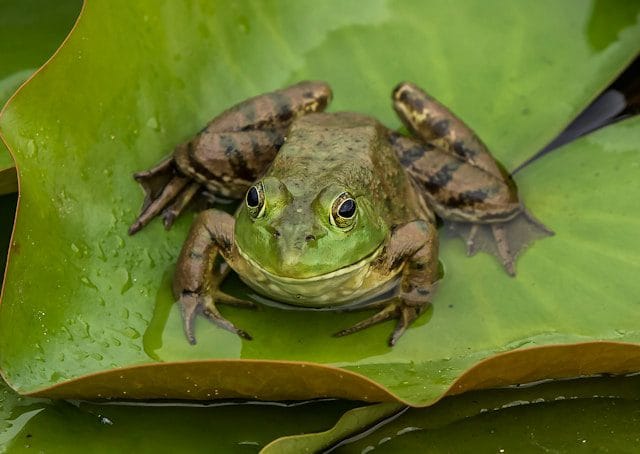
The scientific name for frogs is Anura, which is derived from the Greek words "an", meaning without and "oura", meaning tail. This name speaks to the frog's lack of a tail as adults, a characteristic that sets them apart from other amphibians. With over 6,000 known species spread across various families such as Ranidae, Bufonidae and Hylidae, assigned a unique binomial name, consisting of two parts:
For example, the scientific name for the common frog or grass frog in Europe is "Rana temporaria", where "Rana" represents the genus and "temporaria" designates the species. The scientific name of the frog is a fascinating glimpse into the world of taxonomy and biological classification.
These names are not arbitrary but are meaningful and reflective of specific characteristics or habitats of the frogs they represent. The process of naming frogs using scientific nomenclature allows researchers to accurately communicate about different species regardless of language barriers, ensuring that everyone understands which exact species they are referring to. Learning about these intricate scientific names provides a deeper understanding and appreciation for the diverse array of frogs found around the world.
Frogs are truly fascinating creatures with several incredible features and facts that make them stand out in the animal kingdom.
The appearance and anatomy of frogs display remarkable adaptations for their amphibious lifestyle. One of the most striking features is their smooth, moist, permeable skin, which is covered in mucus glands and glistens in the sunlight. Its slimy skin is beautifully coloured with an array of brighter, more vibrant shades that vary from protective dull green, grey and brown to toxic-warning striking, patterns of red, blue, and yellow. These unique colourations not only add to the aesthetic allure but also aid in blending into surrounding foliage or water bodies and protection from predators. Their rounded head leading into sleek, streamlined, stout bodies are well-suited for efficient movement through water and on land. The placement of their large, bulging eyes on the top of their heads allows them to see in almost all directions, giving them an advantage when hunting for prey or evading predators. Additionally, their protruding eyes have a nictitating membrane that protects them while swimming underwater or catching insects at high speeds. Furthermore, their long, muscular, powerful hind legs with webbed feet make them exceptional jumpers and swimmers, aiding in hunting and evading danger, while some species have adhesive toe pads for climbing or tubercles for digging.
However, frogs vary in size, ranging from tiny to very large. Their lengths (tip of the nose to the bottom of the body) vary drastically, from under 1 inch to over 1 foot, depending on the species. For example, the tiny Gardiner's frog, measuring only 0.31 to 0.43 inches (8 to 11 mm) or the tiny tree frog measures just about 0.30 inches (7.7mm), while the massive African Goliath frog can grow up to 15 inches (39 cm) long. Additionally, frog weights also vary widely by species, ranging from tiny tree frogs, weighing only a few grams, to the massive African Goliath frog, which can weigh up to 3.8 kilograms. While common frog species (Rana temporaria) generally range from 7 to 10 cm in length and typically weigh around 22 to 40 grams, large bullfrogs can grow to be 6 to 8 inches and commonly weigh 500 to 900 grams, sometimes reaching 1,400 kg.
The internal anatomy of a frog is equally intriguing. Frogs have a specialised respiratory system that allows them to breathe through both their lungs and their permeable skin. The presence of lungs facilitates their unique skin, not only helping them stay hydrated but also aiding in respiration, as frogs can absorb oxygen and expel carbon dioxide through their skin, making them well-suited for both land and water habitats. Furthermore, their elongated sticky tongue is a marvel of nature's engineering, helping these amphibians capture their prey with lightning-fast accuracy. Their complex digestive system efficiently processes a variety of foods, such as insects and small vertebrates. The skeletal structure of a frog is adapted for jumping, with elongated leg bones and flexible joints that provide explosive propulsion from a crouched position. Moreover, many frogs have a unique ability to glide through the air using their large skin flaps (membranes) that extend from their limbs, while some frog species have webbed feet for swimming. Some possess vibrant colours with intricate patterns on their skin as a form of toxicity due to their powerful secretions, a warning signal to potential predators. Additionally, male frogs have inflatable vocal sacs to create unique, loud calls. This blend of functionality and aesthetics highlights the complexity of frog anatomy and adds to their allure as unique creatures in the animal kingdom.
Frogs are incredibly adaptable creatures, and their habitats can range from tropical rainforests to arid regions and Arctic areas. This adaptability has allowed frogs to thrive in both natural and human-altered landscapes. While many people associate frogs with moist, freshwater environments such as swamps, marshes, and lakes, they can also be found in a variety of ecosystems, including rainforests, grasslands and deserts. While some species prefer undisturbed habitats like ponds, creeks and streams, others have adapted to urban areas and agricultural landscapes. Additionally, some species may be more prevalent in warmer regions, while others are better suited for cooler climates. This adaptability is due to their ability to absorb water and oxygen through their skin, allowing them to thrive in diverse conditions.
Despite their diverse environments, frogs have some common habitat requirements, such as ample vegetation (like lily pads, shrubs and grasses) with hiding spots in cool, damp, shade areas (like logs, rocks, leaf litter and burrows). Furthermore, frogs rely on high humidity, access to water and a range of suitable food sources to keep their skin hydrated and to breed.
Frogs are found on every continent except Antarctica, displaying a remarkable global distribution. They thrive in moist, warm climates but adapt to habitats ranging from deserts to arctic regions. With the highest diversity in tropical rainforests and wetlands, frogs are found in the Amazon basin and Southeast Asia. On the other hand, some species (like the wood frog) live in the Arctic Circle, surviving by freezing, while certain species (like the Australian green tree frog) inhabit arid regions by burrowing. Their distribution is often influenced by factors such as temperature, precipitation, moisture levels, elevation and availability of suitable breeding sites.
One interesting aspect of frog distribution is their reliance on water for reproduction and reproductive strategies. While some frog species lay eggs on land, many require specific aquatic environments for egg-laying and tadpole development. This dependence on water means that frogs are often found near wetlands, ponds and rivers, highlighting the crucial role of these habitats in supporting amphibian populations.
Frogs are a diverse group of amphibians with over 6,000 known species worldwide, found on every continent except Antarctica. Roughly 88% of amphibians are frogs, inhabiting various environments, each occupying unique ecological niches. In the amphibian family, "Frog" and "Toad" have a lot in common. They both reproduce in water, and they even look alike. Toads are a sub-classification of frogs, meaning that "all toads are frogs, but not all frogs are toads". Frogs and Toads both belong to the order "Anura", which means "without a tail".
However, key types of frogs include the Tree frogs, True frogs, Poison Dart frogs, and Toads. They range from tropical climbers to aquatic swimmers and burrowing species, which are adapted to various habitats with unique physical traits, such as suction pads, webbed feet, burrowing limbs, and toxic skin.
The most common type of frog is the Tree Frog, which belongs to the family Hylidae (New World/True Tree Frogs), known for its adhesive toe pads that enable them to cling to leaves and branches or even glass with ease, making them superb hunter of insects and other small prey. These colourful creatures, such as the Red-eyed Tree frog, American Green Tree frog, Australian Green Tree frog, Indian Tree frog and Pacific Tree frog, have a distinctive ability to climb treetops and jump among foliage in tropical and subtropical regions, where they thrive in forests, wetlands, grasslands and gardens. Their vibrant colours and high-pitched calls also play a crucial role in attracting mates during the breeding season.
Another common type of frog is the True Frog, which varies greatly in size, ranging from small to large, including the Bullfrog (American Bullfrog and Asian Bullfrog), Leopard frog, and Wood frog. They belong to the family Ranidae, and typically have smooth, slimy skin and long legs for jumping. Many of the true frogs are aquatic or live close to water. Additionally, most species lay their eggs in the water and go through a tadpole stage. These types of frogs can be found in North America, while Edible frogs are found in Europe, commonly used in culinary dishes.
Another common species is the Common frog or Grass frog (Rana temporaria), which can be found in a variety of damp habitats, including forests, woodlands, grasslands, farmlands, and wetlands such as garden ponds and marshes. They are frequently found in mountain lakes and can breed at altitudes over 2,700 meters. They are solitary and largely terrestrial outside of the breeding season. These types of frogs breed in early spring, utilising ponds, lakes, and slow-moving streams. They are most active at night and feed on invertebrates, including snails and slugs, which makes them beneficial in gardens. However, their ability to thrive in diverse environments makes them a crucial part of many ecosystems. The Common frog or Grass frog, also known as the European common frog, European common brown frog, European grass frog, European pond frog or European Holarctic True frog. It is a semi-aquatic amphibian of the family Ranidae, commonly found in Europe (excluding much of Iberia, southern Italy, and the southern Balkans), and parts of Asia, extending from Ireland to Russia and north to Scandinavia. These frogs are known for their variable colours, ranging from brown to green and even red to yellow, making them incredibly adaptable to different environments. They are also characterised by their smooth skin and prominent eyes, which allow excellent vision both in and out of water.
One of the most fascinating species is the Poison Dart Frog. It is the common name of a group of small frogs which belong to the family Dendrobatidae. Despite their small size, these frogs display vibrant colours and possess potent toxins that they secrete through their skin as a form of defence. Their bright hues serve as a warning to potential predators, signalling their toxicity and deterring potential attacks. Poison dart frogs are found in the tropical rainforests of Central America and South America, including the Dying Poison Dart Frog or Blue Poison Dart Frog, Golden Poison Frog, and Strawberry Poison Frog. Their remarkable adaptation has allowed these diurnal species to thrive in the dense jungle habitats where they feed on small insects, and threats abound.
Another type of frog is the Toad or True Toad, which belongs to the family Bufonidae. These types of frog are characterised by their dry, bumpy or warty skin, shorter legs for crawling rather than jumping, and usually more terrestrial or fossorial, like the American Toad, Cane Toad, Marbled Toad, and Western Spadefoot Toad.
There are many other unique types of frogs. Among them, an intriguing species is the Glass Frog, which belongs to the family Centrolenidae, found in Central America and Colombian rainforests. The general background colouration of most glass frogs is primarily lime green. It is known for its transparent and translucent abdominal skin, which shows its internal organs, giving the glass frog its common name.
Another type of frog is the Flying frog, also known as the Gliding frog or Rainforest Flying frog, which has evolved a unique ability to glide through the air using its large, webbed feet. They are arboreal and use their membranes to descend at an angle less than 45° relative to the horizontal, distinguishing them from typical parachuting frogs. Other nonflying arboreal frogs can also descend, but only at angles greater than 45°, which is referred to as parachuting. However, with their webbed feet or skin flaps that extend from their limbs, these remarkable creatures can gracefully soar from tree to tree in Southeast Asian rainforests, defying the conventional image of a frog hopping on land. From their vibrant colouration to their acrobatic feats in the treetops, flying frogs are not only visually stunning but also hold important ecological significance within their habitats.
The Rain Frog or Desert Frog are an interesting type of frog which has adapted to life underground to survive dry conditions. They do not hop or swim, but rather walk or typically spend much of their time digging through loose soil or sand in search of insect prey or simply seeking refuge from extreme temperatures, emerging after rains to breed. These types of frogs are known for skipping the tadpole stage, hatching directly as froglets. Their specialised round bodies feature short, robust, spade-like feet for digging, which are well-suited for navigating subterranean environments. They are also known for their "grumpy faces" and are often called "avocado" or "potato" frogs, such as Desert Rain frog, Black Rain frog, and Common Rain frog. Despite their elusive nature, burrowing frogs play a crucial role within their ecosystems as both predator and prey, contributing to the delicate balance of life beneath our feet.
The Burrowing Frog is specialised for its fossorial life, digging into soil to survive dry season or arid conditions, often only emerging to mate during or after rain, including the Indian Burrowing frog, African Bullfrog, and Australian Giant Burrowing Frog.
On the other hand, the Marbled Rain Frog (Scaphiophryne marmorata), also known as the burrowing frog, is a type of rain frog. It is a distinct species of narrow-mouthed frog, found in the rainforests of Madagascar. This tiny frog boasts an intricate marbled pattern on its skin, making it a visually captivating creature. Despite its petite size, the marbled rain frog possesses an array of unique biological adaptations that have intrigued researchers and enthusiasts alike. From its specialised breeding habits to its peculiar vocalisations, there is much to uncover about this elusive and mysterious rainforest dweller.
The African Clawed Frog (Xenopus laevis), also known as the African clawed toad or African claw-toad frog, represents yet another unique type of frog, featuring distinctive, sharp, short claws on its hind feet and unusual breeding behaviour. This species does not have a tadpole stage; instead, it develops directly into a frog from an egg-like larval form. Lacking external eardrumshis, these fully aquatic frog species engage in a process called explosive breeding, where males aggressively grasp females while releasing sperm into the water—an unusual sight among amphibians. These frogs have also played important roles in scientific research due to their use as pregnancy tests in the past.
Lastly, the Tomato Frogs are any of the three species of genus Dyscophus (D. antongilii, D. insularis, or D. guineti). Dyscophus is the only genus in the subfamily Dyscophinae. It is a distinctive, brightly coloured frog endemic to Madagascar. The common name comes from D. antongilii's bright red colour. When adult, their colours may vary from yellowish orange to deep red. Additionally, being threatened, this frog puffs up its body. When a predator grabs a tomato frog in its mouth, the frog's skin secretes a thick substance that numbs the predator's eyes and mouth, causing the predator to release the frog to free up its eyes. The substance contains a toxin that occasionally causes allergic reactions in humans, but it is not deadly.
Characteristic-wise, frogs are semi-aquatic amphibians. They are cold-blooded creatures with smooth, moist skin and powerful hind legs for high-jumping. Frogs also have a unique respiratory system that allows them to breathe through both their lungs and their skin. They are mostly carnivorous, and their habitats vary widely depending on the species, with their unique features like suction pads, long hind legs, webbed feet, burrowing limbs, or toxic skin. While some prefer tropical rainforests, others thrive in freshwater environments (like wetlands, ponds, marshes, rivers and lakes), deserts and even arctic areas. For instance, tree frogs have adhesive toe pads that enable them to effortlessly cling to surfaces in the trees, while Poison dart frogs exhibit bright warning colours that signal their toxicity to potential predators. Moving away from the lush rainforests, some species of frogs, such as bullfrogs, have powerful hind legs for jumping and are adapted to semi-aquatic environments. These frogs have webbed feet for efficient swimming and are equipped with specialised vocal sacs for producing echoing calls across the water's surface, an essential feature during mating rituals. Additionally, the breeding habits of different frog species also vary significantly, with some laying gelatinous eggs in water while others opt for moist environments on land.
In terms of habitats, the diverse range of frog species around the world showcases their adaptive nature. They can be found in a wide range of environments globally, typically near freshwater sources, like ponds, rivers, lakes, swamps, and marshes, for breeding and hunting. They are highly adaptable to tropical rainforests, grasslands, gardens, forests, arid deserts, and even arctic areas, often hiding in cool, damp, shaded areas like under logs, rocks, leaves and burrows. Many species rely on proximity to water for breeding, but may live in diverse habitats as adults. For example, tree frogs are found predominantly in rainforests where they can seek refuge among lush foliage above the forest floor, while bullfrogs prefer shallow water bodies like swamps or marshes, where they can bask in the sunlight along with ample hiding spots amidst aquatic plants. On the other hand, some frog species spend most of their lives underground, while poison dart frogs inhabit the forest undergrowth, maintaining proximity to water sources like streams or puddles due to their sensitive skin's need for moisture regulation. The varying habitats of different frog species contribute significantly to their survival and thriving.
The diet of a frog varies depending on its species, size, habitat and environment. They have a diverse diet consisting of various prey, making them efficient predators in their ecosystems. Frogs are primarily carnivorous, and their diet includes insects (such as crickets, mosquitoes, flies, ants, beetles, moths, grasshoppers, cockroaches, locusts, etc), worms, snails, slugs, spiders, and woodlice, which are essential for controlling insect and pest populations in the environment. Frogs are not limited to just insects; some larger frog species have been known to consume crustaceans, tadpoles, small fish, rodents, reptiles, birds and even other frogs. Interestingly, tadpoles are strictly herbivorous; they consume algae and soft, water plant matter, while only one species is known to eat fruit. This wide range of prey highlights the adaptability and versatility of frogs as hunters.
When it comes to hunting prey, frogs utilise various strategies to catch their food. While some rely on their quick reflexes or keen eyesight to detect movement and then use their sticky, long tongues to snatch up unsuspecting insects, others use camouflage to patiently wait for prey to come within range before launching a lightning-fast attack. Interestingly, some species even use their long legs and agile bodies to leap at and catch flying insects on the wing. Frogs are more likely to eat prey that is moving, as they identify food through motion. After capturing their prey, frogs often swallow it in less than a second.
Furthermore, their hunting techniques are based on their environment. For instance, arboreal frogs mainly target flying insects or small arthropods found in trees or foliage, whereas aquatic frogs typically hunt for aquatic invertebrates like mayflies and dragonflies beneath the water's surface. The unique hunting techniques employed by different frog species demonstrate the diversity within these amphibians and emphasise their importance in maintaining ecological balance.
Frogs exhibit fascinating behaviour and lifestyle patterns that make them unique creatures in the animal kingdom. From their remarkable ability to adapt to different environments to their diverse hunting techniques, frogs are truly intriguing creatures. One of the most notable aspects of a frog's behaviour is its ability to jump incredible distances compared to its small size. In terms of feeding, some species are strictly carnivores, others have evolved to be omnivores or even herbivores, depending on their specific ecological niche. Frogs are nocturnal predators and exhibit a range of strategies, from ambush predation by sitting still and waiting for prey, to using their sticky, projectile tongues and powerful, long back legs. This highly specialised form of locomotion allows frogs to swiftly evade predators and capture unsuspecting prey with lightning speed, showcasing impressive agility and precision. When threatened, frogs may jump away, swim, freeze to avoid detection, puff themselves up or release mucus. Additionally, the ability of some frogs to change colour for camouflage or for communication purposes, and use their vibrant colours to warn predators of toxicity, adds another layer of complexity to their behaviour. Moreover, frogs hibernate during winter in a state of torpor, while others bury themselves to escape drought. During this time, many species are highly dependent on moisture to maintain respiration through their skin. The intricate interplay between environmental cues and behavioural responses is truly awe-inspiring in the world of frogs, showcasing the adaptive nature of these remarkable creatures. From tree frogs that reside high in the canopy to burrowing frogs that thrive underground, and bullfrogs that prefer shallow water bodies like swamps or marshes, each species has developed specialised behaviours and lifestyles suited to its environment.
In terms of lifestyle, frogs exhibit a wide range of vocalisations, such as croaks and chirps. The variety of calls can differ greatly between species, showcasing the diversity within the frog community. They use their loud calls to attract mates, establish or defend territories, and warn off predators. Frogs often form "mating balls" where multiple males compete for a female. Some species are largely territorial, with males using wrestling and kicking, while some species use their sharp, thorn-like thumbs to defend their space. However, the breeding habits of different frog species also vary significantly, with some laying gelatinous eggs in water while others opt for moist environments on land. Additionally, some species have developed elaborate parental care strategies, such as carrying eggs on their backs or depositing them in special locations, with male frogs actively defending and maintaining nests until the eggs hatch. Their amphibious nature enables them to undergo remarkable transformations, starting life as tadpoles in water and later developing into land-dwelling adults. In addition, they can adapt to both aquatic and terrestrial environments. This dual nature allows them to thrive in various habitats, from ponds and lakes to forests and grasslands. Some species dwell in rainforests, while others thrive in arid deserts or even urban areas. The diverse range of habitats where frogs can be found illustrates their impressive adaptability. Furthermore, adult frogs are largely carnivorous, and their diet consists of various prey, including insects, worms, snails, slugs, spiders, and occasionally small fish, rodents, reptiles, birds and even other frogs. On the other hand, tadpoles feed on algae and soft, water plants. One interesting fact is that some frogs can freeze during winter hibernation and thaw out when spring arrives, demonstrating their ability to survive extreme conditions. These intricate behaviours provide insight into the rich and complex lifestyles of these amphibious creatures.
The reproduction, babies, and lifespan of frogs offer a fascinating glimpse into the diverse world of amphibians. In their incredible life cycle, they undergo a remarkable transformation called metamorphosis. Their development from egg to tadpole and then into adulthood is nothing short of remarkable. During mating season, frogs exhibit a wide range of vocalisations, such as deep croaks and high-pitched chirps, which they use to attract mates or defend territories. Additionally, male frogs congregate in ponds to attract females through their distinct loud calls, often forming "mating balls" where multiple males compete for a female. Once paired, the female frogs lay hundreds or even thousands of eggs at once, providing a higher chance of survival for their offspring, which are then fertilised externally by the male's sperm. Most frog species typically lay their gelatinous eggs in water or moist environments on land. Some species completely submerge their eggs, while others attach them to underwater vegetation, before they hatch into tadpoles and eventually develop into adult frogs. Interestingly, some tropical frog species bypass the tadpole stage altogether; their eggs hatch directly into miniature versions of adult frogs.
When it comes to babies, many frog species exhibit unique parental care, where males protect the eggs and tadpoles until they are fully developed. At the same time, some species have developed elaborate parental care strategies, such as carrying eggs on their backs or depositing them in special locations, with male frogs actively defending and maintaining nests until the eggs hatch. This remarkable adaptation allows them to thrive in habitats where standing water may be scarce or ephemeral.
Once the tadpoles hatch, their amphibious nature enables them to undergo a remarkable transformation called metamorphosis, starting life as tadpoles with gills (for breathing) and a tail in water, eventually transforming into air-breathing land-dwelling adults with lungs. Underwater, tadpoles breathe through gills and are equipped with tails for swimming. Later, they undergo significant physical changes such as developing hind legs, then front legs, and lungs replace gills for breathing air on land. Later, as they transform into adult frogs, the tail of a froglet is absorbed, and the frog transitions to life on land while staying near water. This remarkable transformation allows them to thrive in both water and land environments.
When it comes to their lifespan, frogs generally have an average lifespan of 2 to 10 years. Though it varies greatly depending on the species and environmental factors. While some frogs may only live for a few years, others can live for several decades in the wild. However, some species can live much longer in captivity with proper care and habitat conditions. This remarkable range speaks volumes about the diverse evolutionary strategies adopted by different frog species for survival in their specific ecological niches. Additionally, factors such as habitat destruction, habitat quality, availability of food, predation, climate change and diseases play crucial roles in determining the lifespan of these amphibians.
Frogs, despite their adaptable nature and being skilled hunters themselves, face numerous predators and threats in their natural environment. They are preyed upon by birds, reptiles, fish, and small mammals due to their position in the food chain. One notable threat comes from birds of prey, such as herons, storks, seagulls, crows, hawks, owls, egrets, ducks and kingfishers, which are adept at snatching up unsuspecting frogs lured by the water's edge. Additionally, snakes like water snakes and garter snakes pose a significant danger to frogs due to their stealthy hunting techniques and ability to navigate through various habitats where frogs reside, while lizards like monitor lizards often prey on them in their natural habitats. Interestingly, large fish like bass, northern pike, and turtles can pose a threat to frog eggs and tadpoles, feeding on them before they have the chance to mature into adult frogs. On the other hand, small mammals like foxes, raccoons, skunks, cats, water shrews and otters are skilled hunters with an appetite for frogs. These predators use their keen senses and agility to locate and capture unwary amphibians in ponds or wetland areas. Furthermore, other threats come from large invertebrates like dragonfly larvae, spiders, and even other larger grogs like the American bullfrog. Moreover, this complex web of predation underscores the ongoing struggle for survival that frogs face in their intricate ecosystems.
However, frogs have developed several strategies to survive. When threatened, frogs may jump away, swim, or release mucus. But some frog species exhibit defensive posture, like freezing to avoid detection, puffing themselves up to appear larger or burying themselves. Additionally, some frogs can change colour for camouflage to avoid predators or use their vibrant colours to warn predators of toxicity, while some species have toxic skin like poison dart frogs, which store toxins from their diet to deter predators.
In recent years, the global decline of frog populations has been attributed to various factors such as habitat loss, pollution, climate change, and infectious diseases. The loss of wetlands and forests due to urbanisation deprives frogs of their crucial breeding grounds, while water pollution caused by agricultural runoff due to pesticides, herbicides, and fertilisers contaminates water, and industrial waste jeopardises their health and reproduction. Additionally, infectious diseases like chytridiomycosis have caused massive global declines. This fungal disease has devastated amphibian populations worldwide by infecting their skin and disrupting essential functions. Moreover, the impacts of climate change pose additional risks to frog populations as water levels and fluctuating temperatures can disrupt their life cycles and diminish important food sources. Furthermore, introducing non-native species and animals in certain habitats has led to competition for resources and predation on native frog species.
The interconnected web of predators and threats facing frogs emphasises the delicate balance of ecosystems while serving as an urgent reminder of the importance of conservation efforts aimed at protecting these captivating creatures.
Frogs have long fascinated scientists and nature enthusiasts alike with their myriad species, unique adaptations, and important ecological roles. With over 7,700 to 7,900 known species of frogs and toads worldwide, their population numbers are a topic of great interest and concern. While the total population number is unknown due to the vast number of species and various habitats they occupy, it is estimated that frog populations have been declining at an alarming rate in recent years. Frogs are considered the most threatened vertebrate group, with over 37 species reported extinct.
The decline in frog populations is attributed to factors such as habitat destruction, pollution, and climate change. With over 5,00 species categorised as "endangered", and nearly 900 species listed as "critically endangered" due to these threats, while infectious diseases, the chytridiomycosis has led to the decline or extinction of at least 200 species. In some regions, these striking amphibians are now on the brink of extinction, highlighting the urgent need for conservation efforts and sustainable practices to protect their habitats.
While some regions have reported stable or increasing frog populations due to conservation efforts and habitat restoration projects, other areas continue to see drastic declines. Scientists are now focusing on innovative methods such as environmental DNA sampling to accurately estimate frog population numbers without the need for physical capture and counting. This approach allows researchers to obtain valuable data more efficiently and non-invasively, providing a better understanding of the challenges facing frog populations.
Frogs may seem like inconspicuous creatures, but their importance in the ecosystem cannot be overstated. These amphibians play a crucial role in maintaining a healthy balance within their habitats.
At the zoo, frogs are often overlooked compared to more exotic and grand animals. However, they play a vital role in the ecosystem and have fascinating characteristics that are worth exploring. From their incredible ability to leap great distances to their diverse range of colours and patterns, frogs are truly captivating creatures.
One of the most intriguing aspects of frogs in the zoo is their unique vocalisations. Each species has its distinct call, creating a symphony of sound that adds an enchanting ambience to the zoo environment. Observing frogs in their natural habitats within the zoo can provide visitors with a deeper appreciation for these amphibians and their importance in maintaining ecological balance.
Another remarkable feature of frogs at the zoo is their diverse adaptations for survival. From sticky toe pads for climbing to camouflage capabilities for blending into their surroundings, studying these adaptations can offer insight into the complexities of nature's designs. By showcasing these fascinating traits, zoos have an opportunity to educate visitors about the significance of preserving frog habitats in the wild.
Moreover, with ongoing conservation efforts focused on mitigating habitat loss and combating diseases like chytrid fungus, zoos play an important role in breeding endangered frog species and reintroducing them into suitable habitats. This provides hope for preserving these remarkable amphibians for future generations to enjoy and study. Zoos have a responsibility to not only display frogs but also advocate for their protection in the wild, encouraging visitors to become stewards of conservation efforts around the globe.
The classification and evolution of frogs offer a fascinating journey through the evolutionary history of amphibians. With over 6,000 known species spread across various families such as Ranidae, Bufonidae and Hylidae. In the amphibian family, "Frogs" and "Toads" have a lot in common. Toads are a sub-classification of frogs, and they both are classified within the order "Anura", which is derived from the Greek words "an", meaning "without" and "oura", meaning "tail", referring to their tailless nature. The order "Anura" is divided into three main suborders based on their evolutionary development, morphology, and skeletal structure:
While this three-suborder classification is widely recognised, modern studies now group all families that do not belong to Neobatrachia together as "non-Neobatrachia" because of the paraphyletic nature of the suborders Archaeobatrachia (descended from a single ancestor) and Mesobatrachia.
However, the classification of frogs is based on their anatomical and genetic characteristics. This diverse group is further divided into families, genera, and species, each with unique features and adaptations suited to their environment. From the camouflaged tree-dwelling arboreal frogs found in forests around the world to the brightly coloured poison dart frogs of Central America and South America, and the burrowing desert dwellers. The evolution of frogs has led to an incredible array of lifestyles and physical traits.
The evolutionary history of frogs dates back more than 200 million years, with their early ancestors like Prosalirus bitis being small, lizard-like creatures. Over time, these ancient amphibians underwent significant anatomical changes through a unique metamorphosis process, featuring aquatic larvae (tadpoles with tails) breathing with gills and adult forms with limbs and lungs for terrestrial life that contributed to their success in both terrestrial and aquatic habitats. One key adaptation was the development of powerful hind limbs for jumping and long, slender webbed toes for swimming, allowing modern-day frogs to navigate different landscapes with agility and precision. Furthermore, their moist skin enables efficient gas exchange while also serving as a crucial defence mechanism against predators. Additionally, modern diversity was highly influenced by the Chicxulub dinosaur asteroid impact around 66 million years ago, which wiped out many species but allowed survivors to diversify rapidly into the ecological roles they fill today.
The relationship between frogs and humans has been an intriguing and complex one throughout history. While some cultures view frogs as symbols of good luck, transformation, and fertility, others perceive them as mere nuisances associated with wetlands and swamps. Additionally, their unique characteristics have inspired artists, writers, and scientists alike.
Moreover, frogs have contributed to various scientific discoveries and medical breakthroughs due to their powerful secretions containing compounds with potential medicinal properties. Scientists have extracted toxins from frog skins for use in pain relief medication and antibiotics. For instance, frog species like the African clawed frog have played a critical role in pregnancy tests due to their sensitivity to specific hormones present in pregnant women's urine. Consequently, our relationship with these fascinating creatures extends beyond mere cultural perceptions; it intertwines with scientific advancements and environmental conservation efforts.
However, the role that frogs play in our ecosystem cannot be overlooked. These amphibians act as bioindicators, their presence or absence reflecting the health of their surrounding environment. Their unique ability to absorb water and oxygen through their skin makes them particularly sensitive to changes in their habitat, making them important indicators of environmental health. On the other hand, human activity has posed various threats to frog populations worldwide. Habitat destruction, pollution, and climate change have all contributed to the decline of numerous frog species.
Frogs are facing a critical conservation status worldwide, with many species at risk of extinction due to habitat loss, pollution, illegal wildlife trade, climate change and disease. These threats have led to numerous species being listed as endangered or critically endangered. According to the IUCN Red List, over 40% of known frog species are threatened with extinction, making them one of the most "vulnerable" vertebrate groups on the planet. The decline in frog populations has significant implications for ecosystems, as these amphibians play a crucial role in controlling insect populations and serving as prey for other animals.
One particularly pressing issue is the spread of the deadly chytrid fungus, which has devastated amphibian populations across the globe. Efforts to conserve frog populations encompass various strategies such as captive breeding programs, protecting habitats, managing disease outbreaks, and implementing sustainable practices that minimise human impacts on their environments. Additionally, raising awareness about the importance of frogs in maintaining healthy ecosystems is essential for their long-term survival. The conservation status of frogs is intricately linked to the overall state of biodiversity. As key predators and prey in many food webs, their decline can create a ripple effect throughout entire ecosystems.
Frogs and toads are often mistaken for one another due to their similar appearances, but they belong to different families and have several key differences between the two amphibians.