
The European rabbit is the ancestor of all domestic and wild rabbit breeds. These creatures were first domesticated in the Mediterranean region over 2,000 years ago and have been kept as pets for centuries. Initially bred for their meat and fur, rabbits gradually became popular as pets due to their gentle nature. These small, cuddly, cute, fluffy creatures also make great, joyful companions. Domestic rabbits have been selectively bred for many generations. These adorable creatures come in various breeds, over 100 distinct breeds worldwide, each with unique personality traits. Moreover, each breed has its distinct characteristics, such as ear size, body shape and coat type. From the energetic and curious Netherland Dwarf to the laid-back and affectionate English Lop to the larger Flemish Giant, there is a rabbit for every preference and every type of owner. They have a wide range of colours and patterns. From solid black or white to spotted or even multi-coloured, rabbits come in a range of stunning shades. For instance, from the classic white rabbit with pink eyes to the striking black-and-white Dutch rabbit, there are countless variations in appearance. This diversity in appearance adds an exciting element to owning a pet rabbit since each one can be unique.
They may share a common ancestor with wild rabbits, but domesticated rabbits exhibit a wide range of behaviours that make them ideal for living in our homes. While we might think of animals only communicating through sounds, rabbits primarily use body language to convey their feelings. For example, when rabbits are happy or excited, they perform high jumps known as binkies, and when they thump their hind legs against the ground repeatedly, it's usually an alarm signal indicating danger. These acrobatic displays showcase their joy and contentment. These non-verbal cues help build a stronger bond with our furry friends. Domestic rabbits are also extremely social creatures that enjoy the company of both humans and other animals. They form deep bonds with their owners. Spending quality time playing or simply watching the bunny explore its surroundings can deepen the bond between them. Unlike other small pets, such as hamsters or guinea pigs, rabbits can form strong emotional connections and even recognise their owners.
As a pet, a domestic rabbit can be trained. Many people may not realise that rabbits can learn simple tricks and commands, just like dogs. With patience and consistency, these smart animals can be taught to respond to their name, come when called, stand on their hind legs for treats and even use a litter box. Additionally, their small size means they can easily fit into apartments or homes with limited space. Introducing a domestic rabbit into our lives can bring endless joy and companionship. Their charming combination of personalities, intriguing behaviours and intelligence truly sets them apart from other small pets. That's why people consider adding a fuzzy friend to their family. However, these crepuscular animals live 8 to 12 years, and it's important to note that domestic rabbits still need plenty of exercise and mental stimulation to thrive in captivity. Taking care of a domestic rabbit requires patience, commitment, dedication and knowledge about their specific needs. Providing them with a safe enclosure, clean water, fresh hay, vegetables, high-quality pellets, and veterinary care is essential to keeping these adorable animals healthy and happy.
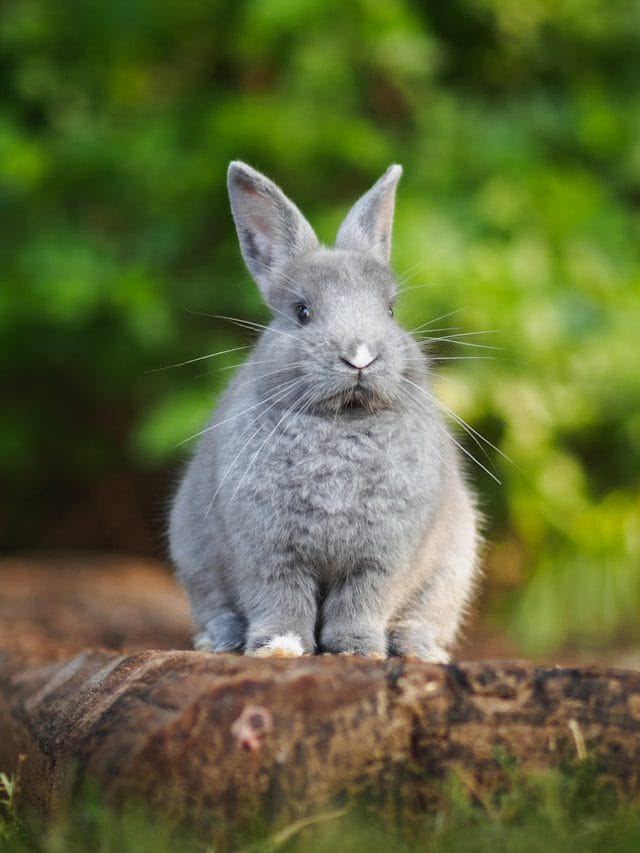
The European rabbit, also known as the Common European rabbit or Old World rabbit, is scientifically known as "Oryctolagus cuniculus", while the domestic rabbit, a descendant of the European wild rabbits, is scientifically known as "Oryctolagus cuniculus domesticus". Although commonly referred to as bunnies or bunny rabbits, they are small mammals in the family Leporidae of the order Lagomorpha, which also includes hares and pikas. The first part of the name, the genus "Oryctolagus", comes from Ancient Greek and Latin, meaning "digging hare". This refers to the rabbit's instinct to dig in the ground. The second part, "cuniculus", is derived from a Latin term for "rabbit or hare", while "domesticus" means "household member or familiar".
The domestic rabbit is primarily used for food, fur, scientific research, and as a companion pet. They were first domesticated during the Middle Ages, and are known for their diverse colours and sizes resulting from selective breeding. These animals are different from hares, as they belong to a separate, smaller species that produces helpless, naked young.
Domestic rabbits may seem like cuddly and docile pets, but these furry creatures have some incredible facts and features that will leave you amazed.
The domestic rabbit, often mistaken for its wild counterpart, has a distinct appearance and anatomy that make it charming and unique. They are small, furry mammals with long, upright (erect) or hanging down (lop) ears (the size and shape can differ among breeds), short, fluffy tails, and four strong legs. The two in the front with 5 toes are called the forelegs, and the two with 4 toes in the rear for hopping are called the hind legs. The feet have claws, lack footpads and are covered with hair or fur. Additionally, they have 2 pairs of continuously growing sharp incisors (front teeth), one pair on top and one pair on the bottom, and also have 2 peg teeth behind the top incisors. Most domestic rabbits have an egg-shaped, compact body, often with a thicker, more rounded build compared to the slender wild European rabbit. They also have a more rounded, docile-looking face than wild rabbits and a "dewlap" (fold or flap of skin under the neck or chin), which is a common secondary sex characteristic, particularly in females. With their soft fur, expressive eyes that vary in colour (sometimes blue eyes), and twitching noses, they are undeniably cute creatures. These charming creatures come in very thin, delicate skin, a myriad of fur types (Angora and Rex) and colours, including white, black, brown, grey, tan and even spotted or striped variations.
Domestic rabbits' size varies widely by breed, ranging from 0.9 kg for the dwarf to 10 kg for the giant, and from 8 inches for the dwarf to 4 feet for the giant breed. For instance, the Netherland Dwarf rabbits can measure around 8 to 9 inches in length and weigh less than 0.91 to 1.13 kg, while the Flemish Giant is over 2.5 to 3 feet long, which can exceed 4 feet in length and weigh 6 kg or more, with some exceeding 10 kg. However, their average size ranges from 0.9 to 2 kg for dwarfs, 2.2 to 4.5 kg for medium, and 4.7 to 9 kg for large, giant breeds, while 8 to 10 inches for dwarfs, 16 to 20 inches for medium, and 2.5 to 3 feet for large, giant breeds. Darius the rabbit holds the Guinness World Record title holder for the world's longest bunny at 4 feet 3 inches, and weighs around 22.2 kg. Meanwhile, the smallest is the pygmy rabbit (Brachylagus idahoensis), which is 9.3 to 11.6 inches in length and weighs 0.83 to 1.1 pounds. Domestic rabbits' ears generally measure around 4 inches in length, although they can also vary significantly based on breed, ranging from short stubby ears in dwarf to over 21 inches in the English Lop. to 3 inches long. It makes sense that domestic bunnies can grow larger than wild ones.
Domestic rabbits are specialised prey animals with highly evolved anatomy for rapid movement and digestion of coarse, fibrous plants. With long, erect or lop ears have a keen sense of hearing, and act as a cooling mechanism. They can rotate their ears 180 degrees independently to detect the slightest sounds and determine the direction. This acute hearing allows them to stay alert in various environments and helps them avoid potential dangers. Domestic rabbits' eyes are set high on the sides of their head, with 360° panoramic vision, which allows them to be constantly aware of their surroundings and helps them stay safe from predators. Unlike humans, who have a blind spot due to the placement of their optic nerve, rabbits can see in all directions simultaneously without turning their heads. They also possess a well-developed nictitating membrane (the third eyelid), which protects their eyes from debris and elements. Interestingly, domestic rabbits are obligate nose breathers, and their skin folds on the chin, particularly in females, are used for pulling fur to make a nest. Additionally, they have four equally sharp molars on each side of both jaws, and a total of 26 to 28 teeth. While their two pairs of sharp, continuously growing incisors are used for gnawing, their molars help grind tough plant material and aid in digestion for this leaf-eating herbivore. Domestic rabbits can jump high and far with their long, powerful hind legs, enabling them to navigate obstacles with ease and making them adept at escaping from predators in the wild. These animals are natural athletes, capable of leaping distances up to 10 feet long and reaching heights of up to 3 feet. This impressive athleticism also makes domestic rabbits excellent companions for owners who enjoy engaging in activities such as agility training or obstacle courses. These furry creatures may seem docile and small, but they possess incredible agility and speed, and can also run at speeds of up to 35 miles per hour. Furthermore, they have a high-capacity abdomen, which is specialised for hindgut fermentation, and a massive, well-developed caecum (fermentation tank) allows bacteria to break down fibre, while they have a small thorax compared to the abdomen, restricting the lungs and heart. Their uterus is duplex with separate cervical and uterine openings, and they usually have four pairs of mammary glands. Moreover, they have a relatively lightweight, fragile skeleton with thin cranial bones, which represents only 8% of the rabbit's body weight, compared to 13% in the cat.
The areas that are known as the rabbit habitat are grasslands, woodlands, meadows, mountains, forests, deserts, wetlands and some similar locations. They live in family groups, and the best-known species, the European Rabbit, lives in underground burrows or rabbit holes. A group of burrows is called a warren. Rabbits are amongst those organisms that tend to occupy the more specialised and comfortable ecosystems. Domestic rabbits, though now commonly found in households worldwide, share a rich history deeply intertwined with human civilisation. These furry creatures are descended from European wild rabbits and were originally domesticated by monks in monasteries during the Middle Ages. Today, they can be found in a variety of habitats and climates due to their wide distribution across the globe.
When it comes to domestic rabbits' habitat, they require safe, dry, stimulating indoor environments or secure outdoor environments, such as spacious pens, enclosures, or free-roaming areas within a home. Their habitat must provide quiet, dark hiding spots (huts), non-slip, soft flooring to avoid hock injuries, tunnels, a litter box, and safe wooden chewing toys, catering to their need for security and mental stimulation. They also require a large habitat, which is enough for the rabbit to stand on its hind legs, stretch out fully, and take several hops.
Indoor housing rabbits is generally preferred for safety, utilising x-pens, exercise pens, or designated rooms which are safe from hazards and other pets, like dogs and cats. On the other hand, outdoor housing rabbits requires a secure, raised hutch, which is safe from weather and predators. It needs an area that protects them from the cold and wet weather and has enough space for exercise. A suitable hutch design is waterproof and includes a dark, dry, draught-free, well-ventilated, multi-compartment sleeping box or hut for the rabbits to rest, which has a bedding of soft hay. Rabbits that are taken as pets can also be kept in habitats such as parks, gardens, farms and suburbs too. They like to live in groups and dig tunnels under the ground to protect themselves. This ability to dig intricate networks of tunnels also enables these agile animals to seek out food sources hidden beneath the surface of the earth.
However, it is worth noting that domesticated rabbits differ from their wild counterparts in terms of distribution patterns. While domestic rabbits tend to be more prevalent in Europe and North America, they have spread far beyond these regions due to centuries of selective breeding by humans for various purposes, such as fur and meat production or companionship in human-controlled environments. It has been introduced to many locations around the world, and all breeds of domestic rabbits originate from Europe. The ancestor of all domestic rabbits, the European rabbit is native to the Iberian Peninsula (Spain, Portugal, France, and Gibraltar) and parts of north-western Africa, specifically regions of Morocco and Algeria. Domestic rabbits native range was restricted to southwestern Europe and part of North Africa. More than half the world's rabbit population resides in North America. They are also found in Central America, South America, Central Africa, and Southern Africa. Nowadays, domestic rabbit populations thrive even in countries like Australia, New Zealand, and China, where they were introduced and quickly adapt well to the local ecosystem, but they are rare in regions like the Antarctic and parts of Southeast Asia, including Sumatra and some islands of Japan, though they have adapted to varied climates under human care. Some other species are introduced in other countries as well due to the presence of humans. They are not naturally found in most of Eurasia, where several species of hares are present.
The European wild rabbit (Oryctolagus cuniculus), which is famous for being the sole ancestor of all domestic and wild rabbit breeds, has several wild subspecies, with Oryctolagus cuniculus cuniculus being the primary ancestor of domestic rabbits. Others include the Iberian rabbits (Oryctolagus cuniculus algirus) and Mediterranean rabbits (Oryctolagus cuniculus huxleyi). While Oryctolagus cuniculus is the most common, other wild rabbit types have different names, such as the Cottontail (Sylvilagus floridanus) or the Amami rabbit (Pentalagus furnessi).
The European wild rabbit (Oryctolagus cuniculus) is a small, prolific mammal originating from the Iberian Peninsula (Spain, Portugal, Andorra) and southwestern France. They typically have grey-brown fur with a pale belly, long ears (without black tips), and long hind legs for running. Their average length is 35 to 45 cm, and they weigh 1 to 2.25 kg. The European wild rabbit prefers open areas, such as fields, pastures, and coastal dunes, where they can build burrows for protection. They live in large, complex, social, underground networks or colonies called warrens. European wild rabbits are herbivores and feed on a wide range of vegetation, including grass, herbaceous plants, and tree bark. They are highly reproductive, breeding up to 6 times a year with 3 to 7 young per litter. Due to their rapid breeding, they are often becoming a significant invasive species in introduced regions like Australia, New Zealand and South America for ecological damage. European wild rabbits generally live 1 to 2 years in the wild, though they can live longer in captivity. Ironically, while considered a pest elsewhere, they are listed as Near Threatened in their native range by the IUCN Red List.
On the other hand, the domestic rabbit (Oryctolagus cuniculus domesticus), which is a domesticated form of the European wild rabbit, has far more than 100 domestic rabbit breeds worldwide, though estimates vary by organisation and region. At least 305 distinct breeds of domestic rabbits are in 70 countries around the world, but specific national rabbit associations may officially recognise 52 breeds. These breeds were developed through selective breeding for specific characteristics, and the variations include size, coat colour, fur quality, and purpose, such as meat, fur, wool, or companionship. These breeds range in size from dwarfs to giants, with varying coat types (including hair texture and length or rex and angora), ear carriage (erect and lop) and even ear length. As with any animal, domesticated rabbits' temperaments vary in factors such as energy level and novelty-seeking.
Several common types or subspecies of domestic rabbits make great companions for pet lovers. The most common domestic rabbit breeds are categorised from dwarf to giant:
The most common type of domestic rabbit is the small, fluffy Lionhead, which stands out due to its distinctive long, double mane of fur around its head, resembling that of a lion. They have a small, compact body with short, upright ears, which is usually under 3 inches in length. The lionhead rabbit typically weighs between 1 and 1.5 kg as an adult, and they generally measure around 8 to 10 inches in length. What sets them apart from other breeds is the unique woolly texture of their fur, which requires regular grooming to keep it looking its best. They usually reach their full adult size around 6 to 7 months old. This breed has gained popularity in recent years not only for its unique appearance but also for its friendly and sociable nature.
The Mini Rex is known for its incredibly soft, dense, plush and velvety fur, which comes in a wide range of colours and stands upright. They are a small, compact breed with a "close-coupled" body. Adult Mini Rex rabbits typically weigh between 1.4 and 2 kg, and their body length is generally around 10.5 to 12.5 inches with a shoulder height of 6 to 7.5 inches (female Mini Rexes are typically slightly larger than males). These rabbits have a gentle temperament and make great companions, but require diligent grooming to keep their luxurious coats looking impeccable.
The Netherland Dwarf is known for its smallest size and "baby-like" appearance. They have compact bodies with large heads, adorable round faces, short ears ( which are 2 to 2.5 inches in length), and short legs. As adults, these smallest rabbit breeds typically measure 7.5 to 9 inches long and weigh between 0.5 and 1.13 kg, though some can weigh up to 1.6 kg. Despite their tiny stature, these rabbits have big personalities, often described as feisty, full of energy and playful. Their small size makes them ideal pets for those living in apartments or with limited outdoor space. However, they can live between 7 and 12 years.
The Dwarf Papillon rabbit is a delightful and charming small breed with its petite stature and striking appearance. This little bunny stands out in the crowd. Unlike other rabbits, the Dwarf Papillon has uniquely long ears that give it an elegant and regal look, with a "cob" shape body, a rounded face, and short legs. They are compact, spotted rabbits with distinctive "butterfly" markings in the nose and have eye circles. These enchanting creatures come in various colours, including black, blue, chocolate, white, and grey, making them a popular choice for both novice and experienced rabbit owners. As an adult, the Dwarf Papillon weigh between 1,13 to 1.9 kg and is under 10 to 12 inches in total length.
Another popular breed is the Dutch rabbit. It is a small to medium-sized breed, typically weighing between 1.5 and 2.5 kg as adults and measuring about 11 to 14 inches in length. The Dutch rabbit has a compact, well-rounded body and short, sturdy ears, which are 9.5 to 12 cm in length. It is known for its distinctive markings with a short, glossy, solid-coloured coat and a band of white around its midsection. These bunnies are not only adorable but also make great companions because of their friendly, sociable nature.
The Californian rabbit is a large, muscular commercial breed. They typically weigh between 3.6 and 5 kg when fully grown, and have medium length, measuring roughly 14 to 19 inches. The Californian rabbit is known for its plump, firm body and unique pattern of dark "points" (ears, nose, feet, and tail) on a white coat. This breed is often referred to as the show bunny due to its exceptional appearance. But it's not just their looks that make them so captivating; Californians are also renowned for their friendly nature and playful personalities. Its average lifespan is about 5 to 10 years.
Another of the largest docile breeds is the Flemish Giant, which takes domestic rabbits to an entirely different scale. They have a broad, powerful body with long, upright ears (with 8 inches in length), and a heavy bone structure. This breed typically weighs 7 to 10 kg and measures 2.5 to 3 feet long, with some reaching up to 4 feet in length, often exceeding the size of small dogs. Their large size makes them ideal for owners who prefer a rabbit they can easily pick up and cuddle with. These rabbits also require significantly larger cages or free-roaming space compared to average-sized rabbits due to their immense size. However, they are also known as "gentle giants". Despite their intimidating stature, Flemish Giants have a gentle temperament and a calm nature, and often enjoy interacting with humans.
Another common type of domestic rabbit is the smallest lop-eared Holland Lop, which is known for its compact, muscular and stocky body with a wide head, short, dense, adorable floppy ears (that lop down or hang), and short legs. They typically weigh between 0.9 and 1.8 kg at maturity and measure only 4 to 5 inches. Holland Lops are smaller than Mini Lops. This breed is incredibly popular due to its miniature size, friendly and docile nature, making it a great companion for children and adults alike.
The Mini Lop is cherished for its long, floppy ears and sweet disposition. They are small to medium-sized bunnies that typically weigh between 1.36 and 2.95 kg as adults, and measure around 10 to 12 inches in length. Females can be slightly larger than males. As a compact, muscular breed, they are known for their "cobby" build (short and stout body), a wide head and large ears that lop down or hang down. These gentle creatures thrive on human interaction and love to be cuddled and petted by their owners. With their plush fur and friendly demeanour, it's no wonder that Min Lops have become a beloved choice among rabbit enthusiasts worldwide.
The French Lop is a large rabbit breed, known for its distinctive drooping ears. They typically measure about 1.5 to over 2 feet in length and weigh between 4.5 and 6.8 kg as adults, with some individuals reaching up to 14 lbs. These breeds have a short, thickset or sturdy, muscular body, a wide head with chubby cheeks, and long hanging ears that usually measure between 5 and 8 inches in length, often extending below their jaw. It is a breed that embodies elegance and charm. These adorable creatures are not only prized for their unique appearance but also for their gentle and friendly nature. French Lops make wonderful pets as they are generally docile and enjoy being cuddled and petted. However, due to their large size, they require more space for exercise compared to smaller rabbit breeds.
While these breeds are some of the most popular, it's worth noting that there are countless other types and subspecies of domestic rabbits out there, and they are loved for their unique temperament and physical characteristics.
Rabbits are small, furry mammals with long ears, short tails, long hind legs, and continuously growing incisors. They have 2 pairs of sharp incisors. The rabbit's eyes are set high on the head with 360° panoramic vision, and are complemented with a weak but very flexible neck, which allows the animal to rotate its head. These adaptations let the rabbit have a greater field of vision, which helps in spotting food as well as predators. They also have strong legs that are made for running. Most domestic rabbit species are brown-grey agouti and range in size from dwarf to medium and giant. Small breeds weigh as little as 0.9 to 2 kg, while medium breeds can weigh 2.2 to 4.5 kg, and large breeds can exceed 4.7 to 10 kg. Additionally, these breeds also vary significantly in length, ranging from small, compact breeds of about 8 to 10 inches, medium breeds 16 to 20 inches, and large, giant breeds 2.5 to 3 feet that can exceed 4 feet in length. The most common, average-sized domestic rabbits weigh between 2 and 5 kg, and 1.2 to 2.6 feet in length, while popular meat rabbits like the New Zealand white usually range from 4.5 to 5.4 kg in weight and 31.5 inches long. Domestic rabbits are herbivores that feed primarily on high-quality grass hay, such as timothy, orchard, or brome. They are highly sociable animals, thrive on companionship and form strong bonds with humans and other pets with time and proper socialisation. While they may be initially shy, once they get to know and feel safe in their environment, they can become incredibly affectionate and loving companions. Rabbits are known for their ability to twist and turn their bodies effortlessly, showcasing exceptional agility in both small spaces and open environments alike. Watching them gracefully hop around or perform acrobatic jumps can be truly mesmerising, a reminder of just how versatile these creatures can be. Another notable characteristic is their instinctive need to chew on objects. Domestic rabbits are also known for their inquisitive nature and keen senses. They have excellent hearing and eyesight, allowing them to detect movements or sounds that may escape our notice. Their unique characteristics set them apart from other common household pets like dogs or cats and allow for new perspectives on animal companionship.
Domestic rabbits can be found in a variety of habitats worldwide, inhabiting almost every continent, but they are rare in regions like the Antarctic. These small animals have adapted to various climates and environments, allowing them to thrive in different habitats around the globe. Domestic rabbits are social, terrestrial animals that thrive in temperature-controlled indoor or outdoor environments, such as a home or specialised enclosures, which protect them from predators and extreme weather. Their key habitat elements include safe, secure spaces for hiding, such as hutches, pens, or designated rooms. However, in North America, domestic rabbits are abundant and are commonly found in grasslands and meadows, where they have a plentiful source of food and open spaces to run around. South America is another continent that accommodates domestic rabbits in diverse habitats such as forests, savannas and even suburban areas. In Europe, they can be spotted in countryside fields alongside agricultural landscapes. When moving on to Asia, domestic rabbits are often seen dwelling near human settlements or rural areas in parts of Southeast Asia, where they take advantage of cultivated lands for feeding purposes. They aren't indigenous to Australia and New Zealand, but were introduced there in the 18th century.
The diet of domestic rabbits is a crucial aspect of their overall health and well-being. Rabbits are herbivores, and their diet consists of 80 to 90 % unlimited fresh grass hay (timothy, orchard, brome, and oat), 10 to 15% fresh leafy greens, and 5% (a small, measured amount) of high-fibre pellets. This high-fibre, low-sugar diet aids in digestive health and prevents overgrown teeth, as well as prevents potential problems like gastrointestinal stasis or fur blockage. Rabbits need to eat small amounts frequently. Approximately 30 feeds, with 2 to 8 g of food each day, is normal. Their teeth are constantly growing and need to be continually worn down by eating. However, during the summer, they eat grasses, herbs and field crops. Their preference is for wild grasses and weeds, but they have taken to feeding on crops. During the winter, they eat herbage, twigs, buds and the bark of shrubs and young fruit trees.
Domestic rabbits' nutrition is the importance of high-fibre grass and other green plants. They require high-protein diets, such as hay, which make up the majority of a rabbit's diet or dried grass, during the day and night. Domestic rabbits need a variety of 5 to 6 types of safe greens per day (about one large handful). They feed on vegetables, especially carrot tops and beet tops, and leafy greens such as romaine lettuce (no iceberg), kale, mint, parsley, cilantro, basil, and dandelion greens, which provide vitamins and essential nutrients. Fresh vegetables provide essential nutrients and hydration, but should be introduced gradually to avoid digestive issues. Rabbits can't vomit, so freshly cut grass should not be fed to them; it is toxic to rabbits. It's important to introduce new vegetables gradually and observe any adverse reactions before adding them regularly to the rabbit's diet. Furthermore, a small amount of high-quality specialist rabbit food, such as extruded nuggets or high-quality pellets, should make up the rest of the house rabbit's diet. Pellets can be used as a supplement, but should not exceed 5% of their daily intake. Rabbits also need access to fresh water at all times in a bowl or bottle. They have unique drinking habits; some prefer traditional water bowls, while others enjoy sipping from water bottles with metal sipper tubes. It should be ensured that the water is clean and changed daily. However, owners can treat them with fruits like apples without seeds, blueberries, and strawberries.
Interestingly, rabbits produce two types of droppings: hard, dry waste droppings and soft droppings known as caecotrophs. These special, soft droppings contain essential nutrients that rabbits eat directly from their anus and then produce hard, dry waste droppings.
Domestic rabbits, while often seen as cute and cuddly pets, have fascinating behaviour and lifestyle patterns. Their behaviour can vary based on their age, personality or past experiences; however, it's common to see rabbits who are frightened or in pain develop habits such as aggression or hiding. On the other hand, these creatures are renowned for their social nature and intelligence, with distinct body language, often communicating through actions like thumping, grooming, chinning, and flopping. Additionally, they can communicate through an array of body language cues. For instance, a rabbit may thump its hind legs on the ground or flatten its ears back against its head, or contentedly purr by flicking its tail when alarmed or fearful, aggressive, or excited, as a way of warning others nearby about potential dangers or perceived threats. These agile animals are natural athletes, capable of leaping distances up to 10 feet long and reaching heights of up to 3 feet. When rabbits are happy or excited, they perform high jumps or twist, or spin, a behaviour known as binkying. They can also run at speeds of up to 35 miles per hour. Domestic rabbits are crepuscular herbivores, and they produce two types of droppings: firm, round pellets (faecal pellets) or hard, dry waste droppings and soft, nutrient-packed caecotrophs (night faeces), which rabbits normally eat or re-ingest directly from their anus.
However, they enjoy the company of both humans and other animals, and can thrive in environments where they can interact with others of their kind. Domestic rabbits are playful and very loyal to their masters. As a pet, a domestic rabbit can be trained. Many people may not realise that rabbits can learn simple tricks and commands, just like dogs. With patience and consistency, these shy or skittish and smart animals can be taught to respond to their name, come when called, stand on their hind legs for treats and even use a litter box. Rabbits are not rodents; they are logomorphs, and they have continuously growing teeth, so they must constantly wear them down to prevent dental problems. As a result, they will often nibble on furniture, cords or even clothing if not provided with appropriate chewing toys. This trait can be endearing but also requires careful attention to ensure a safe environment for both the rabbit and the owner’s belongings. Rabbits are natural diggers. Their wild cousins dig burrows for nesting and to make their homes, and house rabbits dig for fun. This is an instinctual behaviour, but it can be bothersome and destructive for the humans that love them. Rabbits will also dig on their owners’ feet or hands to get their attention. They prefer hiding spots, and when comfortable, they will rest in a "bun loaf" position.
In terms of lifestyle, these highly social animals establish intricate hierarchies within a group, with dominant individuals claiming the best resources, such as food and favourite hiding spots. These hierarchies are flexible; rabbits constantly renegotiate their positions through displays of dominance or submission. Rabbits often express relaxation and affection by licking, grooming each other, rubbing, and nudging gently against one another. Additionally, domestic rabbits are crepuscular animals, meaning they are most active during dawn and dusk. This behaviour is rooted in their wild ancestors' adaptation to avoid predators that hunt during the day or at night. It's common to see pet rabbits becoming energetic and playful during these times, running around in bursts of excitement.
Despite this instinctual behaviour, domesticated companions also readily adapt to human schedules and might be more active during the day if that aligns with their daily routine. These intelligent creatures can learn tricks and understand commands. They enjoy pushing or throwing objects and can be trained to use litter boxes like cats. Their trainable nature makes them a rewarding pet choice for those seeking an interactive animal companion. Taking care of a domestic rabbit requires patience, commitment, dedication and knowledge about their specific needs. These animals are unable to vomit, so making their diet is crucial. Providing them 80% fresh hay, leafy greens, vegetables, a small amount of high-quality pellets, clean water, and a safe enclosure with tunnels, and veterinary care is essential to keeping these adorable animals healthy and happy. Happy rabbits will "binky" and may even purr when content. They are best kept indoors to avoid predators and extreme temperatures. Rabbits also thrive on companionship, which is why it's ideal to keep them in pairs or small groups if possible. If provided with safe, "bunny-proofed" enough space for exercise and exploration, such as running and jumping (need to spend a minimum of 4 hours daily outside their enclosure) in the right environment, with plenty of mental stimulation through chew toys or puzzles to avoid boredom and offering companionship from humans or fellow bunnies, will contribute to a happy rabbit’s life to thrive in captivity.
One of the fascinating aspects of domestic rabbits is their unique reproductive capabilities. Unlike many other animals, rabbits can breed at a very young age. They can become pregnant early in life, with some smaller breeds starting their reproductive life stage as early as 4 to 5 months of age, while larger breeds' approximate age of first mating is around 5 to 8 months of age, and they can continue to have young for 4 years. This incredible fertility is one reason why rabbit populations can grow rapidly if not properly controlled. A female rabbit (doe) is fertile for all but about 3 days per month and will only produce an egg for insemination when mated by a male rabbit (buck) in sexual intercourse. Just before breeding, the rabbits begin circling each other, and some nipping may occur. When the female isn't too interested in the male, they get involved in serious fights. A receptive doe will lift her tail and allow mating. Early morning and early evening are the most conducive times for mating.
If owners suspect that their rabbit is pregnant, they should be concerned about the proper care of the domestic mother rabbit and, after birth, the babies. During this time, the pregnant mother builds her nest by pulling her fur and with grass or hay. She will make the nest any time between a few days. The gestation period takes about 28 to 33 days for a pregnant doe (female rabbit) to give birth to a litter of adorable baby bunnies, and the doe can produce from 1 to 12 young each time she gives birth. According to Animal Diversity Web reports, domestic rabbits can have between 12 litters each year, and they average 4 to 6 litters annually, which is healthier. Each litter can contain between 4 and 12 babies, with the average being 1 to 6, and up to 14 is possible. However, it is safe to examine the babies and move them with the mother to a more proper place, if necessary. Because no baby mammal can successfully digest food if their body temperature is below normal. So if the babies are scattered, cold and do not have plump tummies, the mother needs help, and if the mother rabbit is giving birth for the first time, owners have to be concerned about whether the new mother feeds her babies or not, because she is never seen with them. This is normal behaviour for a domestic or wild rabbit; mother rabbits do not nurse their offspring in the same manner as dogs and cats. Furthermore, she can become pregnant again within a few days of giving birth. So the first thing to do is to remove the father or any male if he is with the Mother. This is a great time to have the male neutered, while the mother raises the babies. Males or bucks will probably not hurt the babies, but they can impregnate the female again, even on the day she gives birth.
When it comes to babies, the young are born in shallow burrows or nests lined with mama's fur and covered with brush or grass, and the process of birth is called knidling. Babies or kits are born with their eyes closed, completely furless, and helpless. At that time, mother rabbits nurse only once or twice a day for a few minutes, but the milk is highly nutritious. Additionally, they instinctively sense staying with their offspring, and it would call a predator’s attention to the nest. Adult rabbits have a scent, while babies do not yet have a strong scent. Domestic rabbits retain some of the genetic imprints of their wild European ancestors. However, kits' eyes open around 10 days, and they mature quickly. They are ready to leave the nest after about 3 to 4 weeks to explore their surroundings and to try solid food, while they are fully weaned between 4 and 8 weeks.
Yet, most domestic rabbits can easily live to be on average 8 to 12 years old, but some rabbits can live to 18 years or older. Smaller breeds often live longer, about 10 to 12 years, compared to giant breeds, which live about 5 to 7 years. Moreover, breed, genetics, diet, gender, living conditions and consistent healthcare all play a role in determining lifespan. Unlike wild rabbits, who faces constant stress and predators, domestic rabbits have regular access to food, safe places to hide from predators, and extreme weather, but indoor rabbits generally live longer than outdoor domestic rabbits.
Domestic rabbits are prey animals and have many predators that like to eat them. With their small size and often docile nature, rabbits are easy prey for a variety of predators. They are preyed upon by various common predators, including foxes, raccoons, coyotes, weasels, snakes, and birds of prey (hawks, eagles, owls, stoats). Many of these predators rely on rabbits as a primary food source. These predators can easily access rabbit hutches or enclosures if they are not properly secured. Sometimes a rat would attack a full-sized bunny with the intent of eating it.
Although relatively vulnerable to predators, rabbits generally maintain their populations despite this threat. Most rabbits are quick on their feet. A rabbit's main defence is its ability to run away and hide as quickly as possible, and it may sometimes outrun a predator. However, cornered rabbits are also able to use their claws, teeth and strong hind legs to attempt to fight off predators and defend themselves.
In urban and suburban situations, the greatest threat to domestic rabbits is from dogs and cats. Other key threats include high temperatures, diseases, parasites, and severe stress, which can be fatal. Another significant threat to domestic rabbits is human negligence and ignorance. While indoor housing is highly recommended for safety, outdoor enclosures are often vulnerable. Many people mistakenly believe that rabbits can be left alone outside without supervision or protection. However, leaving them unsupervised exposes them to numerous dangers, including predator attacks, extreme weather conditions, traffic accidents, malicious individuals who may harm or steal them and ingesting toxic plants or chemicals.
Rabbit owners need to be aware of these threats and take necessary precautions to protect their furry friends from harm. This includes providing an appropriate diet, vaccination, a secure enclosure with predator-proof fencing, and ensuring they have enough space to exercise while protecting them from potential threats. Supervising outdoor playtime is essential, too; owners should maintain a constant watch over their rabbits to prevent any incidents with other animals or external dangers.
There are over 305 domestic breeds across 70 countries worldwide, but the actual global population number of domestic rabbits is not available due to their use as both pets and livestock. However, the population of domestic rabbits has been steadily increasing over the years. There are an estimated 14 million pet rabbits in the world, many of whom are kept as companions, with some living in the classic outdoor hutches, others living in indoor cages, and some clever bunnies learning to use a litter pan and get the run of the house.
The highest populations are in Europe, Russia, the UK, and the USA, but they are rare in Southeast Asia. In the US, the number of households owning rabbits fluctuated around 2 million between 1996 and 2002, while in the UK, there are roughly 1.1 million pet rabbits, a number that has increased in recent years, and in India, the rabbit population saw a 39.55% increase between 2007 and 2012, rising from 424,000 to 591,600. On the other hand, global rabbit meat production estimates range from 1.2 to 1.8 million tonnes. While China produces 0.6 million tonnes of rabbit meat, other major producers like Italy, Spain, and Egypt produce hundreds of thousands of tonnes annually.
Rabbits are beautiful little mammals with many endearing features. The growing population of domestic rabbits can be attributed to both their high reproductive capacity and increased awareness about proper rabbit care. These factors combined have led to an increase in demand for these lovable pets who bring joy and companionship into our lives. As long as people continue to appreciate these furry friends' unique qualities, we can expect rabbit populations to keep thriving.
Across the world, rabbits are raised as livestock (in cuniculture) for their meat, pelts, and wool and also by fanciers and hobbyists as pets. They are often associated with being cute and cuddly pets, but their importance goes far beyond their appearance. Domestic rabbits play a crucial role in our ecosystem and our lives, from companionship to education and even research.
The presence of domestic rabbits in zoos may seem unusual, but these furry creatures can provide a unique and unexpected educational experience for visitors. In these controlled environments, zookeepers work diligently to create spaces that mimic the natural habitats of these domestic animals, ensuring their well-being and comfort. Visitors are often surprised by the playful and curious nature of domestic rabbits, showcasing their intelligence and adaptability even in captivity.
Zoos that feature domestic rabbits offer an opportunity for visitors to interact with these gentle creatures up close, fostering a connection between humans and animals. This hands-on experience can help dispel common misconceptions about domestic rabbits being only suitable as pets. Witnessing domestic rabbits in a zoo setting also raises awareness about responsible pet ownership and the importance of providing proper care for these animals. By observing them in zoos, visitors can learn about their dietary needs, social behaviours, and overall requirements for a happy and healthy life. Through educational programs and interactive exhibits, zoos play a crucial role in promoting compassion and understanding towards domestic rabbits while highlighting the significance of conservation efforts both in captivity and in the wild.
The classification of domestic rabbits is an interesting topic that sheds light on the evolutionary journey of these furry creatures. Domestic rabbits belong to the family Leporidae of the order Lagomorpha, which includes hares and pikas as well. There are over 100 different breeds of domestic rabbits worldwide, each with its unique characteristics and traits. Within this family, they are classified under the genus Oryctolagus, which consists of only one species, the Common European rabbit or Old World rabbit (Oryctolagus cuniculus), including all its domestic and wild forms, alongside several extinct fossil species. Surprisingly, despite their extensive variation in fur colour, size, and temperament due to selective breeding, all domestic rabbits trace their ancestry back to a single species, the European rabbit. These domesticated breeds can be classified into five main groups:
Evolution has played a crucial role in shaping domestic rabbits into what they are today. The ancestor of domestic rabbits, the European rabbit, emerged in the Pleistocene era and was native to the Iberian Peninsula and parts of southern France after the last ice age. While Romans used rabbits for food in the 1st century BC, full domestication is often cited as occurring in the Middle Ages, with breeding for food and fur, and later, for aesthetics and companionship in the 19th century. DNA studies suggest that their domestication involved a long, slow process of selecting from existing wild gene variants rather than sudden genetic changes, with selective breeding for tameness. Domestic rabbits differ from wild rabbits through increased size diversity, varied coat colours, reduced fear response (smaller amygdala), and floppy ears.
However, selective breeding during the Middle Ages and Victorian era (for meat, fur, and then pets) rapidly accelerated phenotypic variation. Unlike wild rabbits that rely on speed and high awareness to escape predators, domestic rabbits adapted to, and flourished in, controlled environments with, and dependent on humans. Although originally adapted for arid climates, modern-day domestic rabbits have successfully spread across continents and adapted to different environments through human intervention. From their origins as a single wild species in Europe to the diverse array of breeds seen today, it's remarkable how humans have shaped and transformed these animals through selective breeding practices.
Domestic rabbits were first domesticated in the Mediterranean region over 2,000 years ago. Initially bred as livestock, rabbits gradually became popular as pets due to their gentle nature. These small, cuddly, cute, fluffy creatures have a long-standing relationship with humans that surpasses mere companionship. Unlike other small pets, such as hamsters or guinea pigs, domestic rabbits are highly social creatures. These furry creatures have become an integral part of human lives, bringing joy and love to countless households around the world. Beyond being cute pets, rabbits contribute to their owners' mental well-being by offering comfort and solace during challenging times. They enjoy being petted and will often seek out their human for cuddles and playtime.
This close interaction fosters a strong bond between rabbit and human, creating a relationship that goes beyond mere ownership with joy. Domestic rabbits have been found to possess an innate sense of empathy towards humans. They can display concern when their owners are distressed or sad, exhibiting behaviours such as nuzzling or licking in an attempt to comfort them. This exceptional emotional connection makes the bond between a rabbit and its human truly special.
Domesticated rabbits also display an impressive level of intelligence, quickly learning their daily routines and even recognising their owners' voices. It could be their unique personalities and ability to bond with humans on a deep level. However, it's important to acknowledge the responsibility that comes with caring for these adorable creatures. Bunnies require proper care, a suitable diet, regular exercise and plenty of attention. Engaging with them in playtime activities, such as puzzle toys, can help stimulate their curious minds while strengthening the bond between humans and rabbits.
Domestic rabbits (Oryctolagus cuniculus domesticus), one of the most commonly seen pets worldwide, are not "threatened" or "endangered" as their population is maintained by human breeding, while their wild counterparts face a different reality. Many rabbit species are listed as "endangered" or "critically endangered" on the International Union for Conservation of Nature (IUCN) Red List, due to habitat loss and disease in their native Iberian range. Several species are listed as "near-threatened" or "endangered", including the European rabbit (Oryctolagus cuniculus) and the Amami rabbit (Pentalagus Furness), which is found in Japan.
The lesser-known aspect contributing to the conservation challenges faced by domestic rabbits is hybridisation with wild relatives. Hybridisation can threaten native rabbit species as traits from domestic breeds can negatively impact their survival abilities in the wild. Many purebred lines have been developed through selective breeding for specific appearances or characteristics, resulting in a limited gene pool. This lack of genetic diversity poses risks such as increased susceptibility to disease outbreaks or reduced adaptability to changing environmental conditions. To mitigate this issue, breeders are encouraged to separate domesticated rabbits from any contact with wild populations. Additionally, genetic diversity within domestic rabbits is also an area deserving attention.
Conservation efforts for both wild and domestic rabbits should focus on raising awareness about their importance within ecosystems and the potential consequences of population declines.
Domesticated rabbits and wild rabbits may look similar at first glance, but several key differences set them apart.