This site uses cookies for analytics and to improve your experience. By clicking Accept, you consent to our use of cookies. Learn more in our privacy policy.
Exploring the Life and Conservation Challenges of Tigers
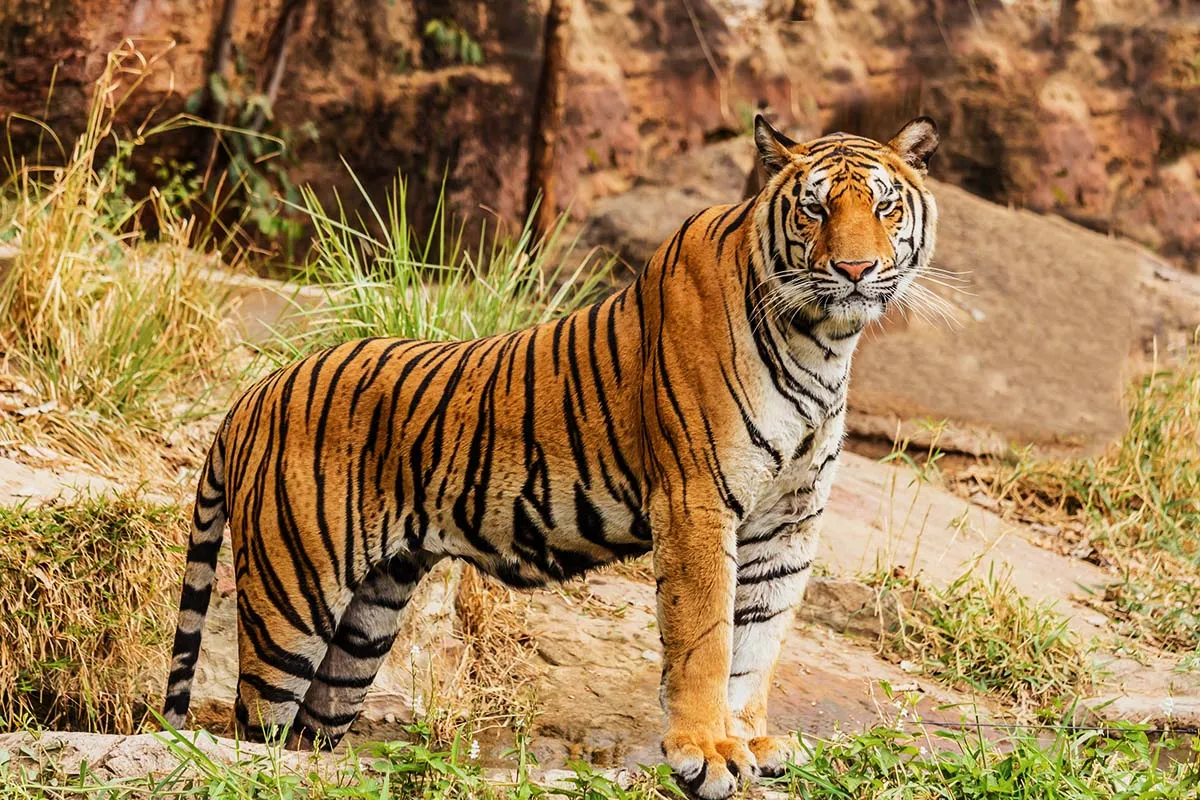
Tigers are one of the most magnificent and endangered animals on the earth. They are the largest of all the big cats, with distinctive orange and black stripes and powerful bodies. They can live in a variety of habitats, from grasslands to forests, swamps to snow. They are solitary and territorial, hunting mostly at night for prey such as deer, wild pigs, antelope and buffalo. They can also swim and climb trees, making them agile and adaptable predators.
Threats to Tigers
However, tigers are also facing many threats that are pushing them closer to extinction. According to the World Wildlife Fund (WWF), there are only about 3,800 tigers left in the wild, down from 100,000 a century ago. The main threats to tigers are:
Poaching and illegal trade: Tigers are killed for their skins, bones and other parts, which are used for decoration, traditional medicine and status symbols. The demand for tiger products is driven by consumers in Asia and elsewhere, who pay high prices for these illegal items. Poachers and traffickers are often linked to organized crime networks that exploit weak law enforcement and corruption. The Environmental Investigation Agency (EIA) estimates that at least 1,031 tigers were seized in trade between 2000 and 2018, but this is likely only a fraction of the actual number.
Habitat loss: As human populations grow and expand, they encroach on tiger habitats, converting them into farmland, plantations, roads and settlements. This reduces the amount of space and resources available for tigers and their prey, and fragments their populations into isolated patches. Tigers need large areas to roam and hunt, but they now occupy only 7% of their historical range. Habitat loss also increases the risk of human-tiger conflict, as tigers may wander into villages or farms in search of food or territory.
Dwindling prey populations: Tigers depend on a healthy prey base to survive and reproduce. However, many of the animals that tigers prey on are also threatened by hunting, poaching and habitat loss. This reduces the food supply for tigers and forces them to hunt more often or travel farther to find prey. This can expose them to more dangers from humans or other predators.
To save tigers from extinction, we need to address these threats and protect their habitats and prey. We also need to raise awareness and reduce the demand for tiger products, which fuels the illegal trade. We need to support organizations that work to conserve tigers in the wild, such as WWF, David Shepherd Wildlife Foundation (DSWF) and Save Wild Tigers (SWT). We need to respect tigers as wild animals that belong in nature, not as pets or commodities that can be exploited by humans.
Tigers are an iconic species that symbolize beauty, strength and diversity. They are also an important part of the ecosystems they inhabit, as apex predators that regulate prey populations and maintain ecological balance. By saving tigers, we are also saving ourselves and our planet.
We use cookies to ensure that we give you the best experience on our website. If you continue to use this site we will assume that you are happy with it.Accept